


If you’ve noticed your horse coughing, struggling to breathe, or tiring quickly while grazing in the summer heat, they might be suffering from equine pasture asthma (EPA). EPA was previously referred to as Summer Pasture-Associated Obstructive Pulmonary Disease (SPAOPD) or pasture-associated heaves.
What Is Equine Pasture Asthma?
Equine pasture asthma is a serious respiratory condition that affects horses grazing on pastures during the warm, humid summer months, particularly in subtropical regions like Louisiana, Mississippi, Alabama, and Florida. It’s also been reported in places as far apart as Oregon and the United Kingdom, though the triggers might differ slightly depending on the region.
Horses with EPA experience reversible airway obstruction, meaning their airways narrow, making it hard to breathe, but this can improve with the right care. The condition is marked by:
- Neutrophilic airway inflammation: A type of inflammation involving immune cells called neutrophils, which build up in the airways.
- Airway hyper-responsiveness: The airways overreact to irritants, staying sensitive even when the horse seems to recover.
- Airway remodeling: Over time, the airways may undergo permanent changes, making the condition worse.
EPA typically affects adult horses (around 12 years old on average, though it can occur in horses as young as 1 or as old as 29) and doesn’t favour one sex over another. Symptoms often flare up in July and last until the weather cools in October or November, though some horses may also have issues in the spring.
What Are the Signs of EPA?
If your horse has EPA, you might notice:
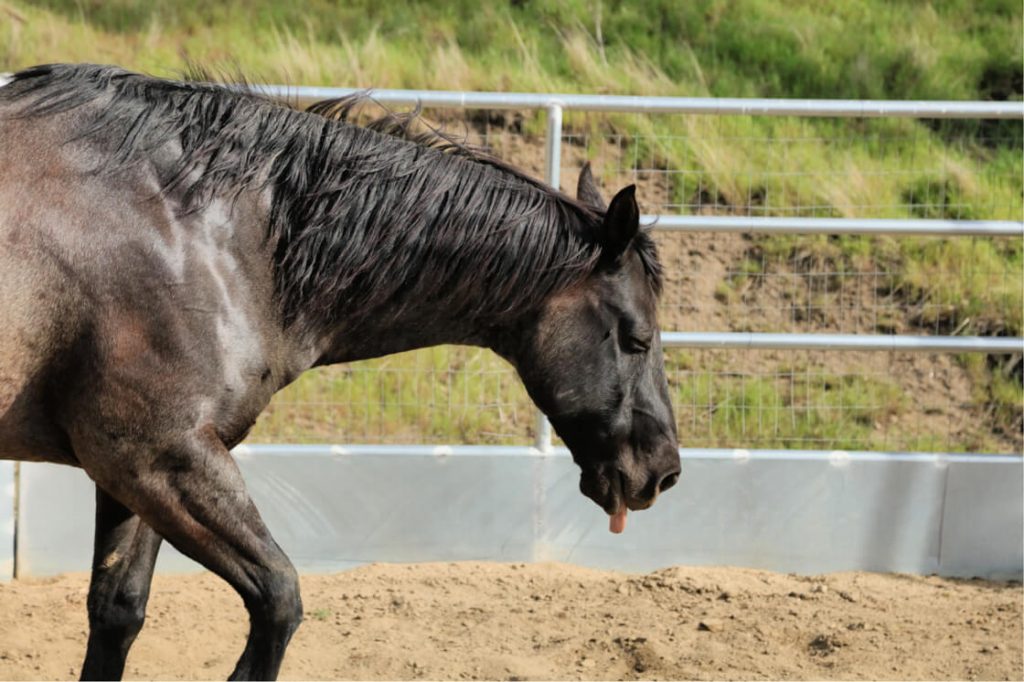
- Coughing, especially during warm-up, and during or after exercise
- Exercise intolerance, where your horse tires more quickly than usual
- Difficulty breathing, sometimes with ”wheezing” or laboured breaths and obvious abdominal movements
- Nasal discharge
These symptoms may have appeared in previous summers, starting mildly and worsening over the Summer and with each year. A key clue is that symptoms often improve quickly, sometimes within hours, when the horse is moved indoors to a stable or a climate-controlled environment away from pasture.
What Triggers EPA?
The exact cause of EPA isn’t fully understood, but researchers believe it’s linked to seasonal particulates in pastures, tiny particles in the air that horses breathe in while grazing. These could include:
Grass pollen: In subtropical areas, grasses like Bahia, Bermuda, and Johnson grass release pollen from spring through early fall, which aligns with EPA flare-ups. In the UK, pine, lime, grasses in general and ryegrass, timothy and fescue, nettle, dock and mugwort all have peak pollen production in June, July and August.
Fungal spores: Fungi like Curvularia, Nigrospora, and basidiospores thrive in warm, humid conditions and are associated with EPA. These spores are released in higher amounts during humid mornings, which matches the pattern of EPA flare-ups in the southeastern U.S. In contrast, in places like the UK, EPA may be linked to dry, dusty conditions, such as during crop harvests. In the UK, fungi such as Cladosporium, Alternaria, Epicoccum and Dreschlera are more likely to be the problem.
Why Does This Happen?
Subtropical grasses and their associated fungi are different from those in cooler climates, which may explain why EPA is more common in hot, humid regions. For example, high humidity and dew point temperatures create ideal conditions for fungi to release spores, which horses then inhale. In contrast, dry conditions in other regions might stir up different types of dust or spores, triggering similar symptoms.
In the UK, severe equine pasture asthma (EPA) differs from the condition seen in hot, humid subtropical regions like the southeastern U.S. due to variations in climate, grasses, and environmental triggers. In the UK EPA is more likely to be associated with hot, dry weather, exposure to dust from crop harvesting or burning rather than the high humidity.
How Can You Help Your Horse?
The most effective way to manage EPA is to remove your horse from pasture during the warm, humid or hot dry summer months when symptoms flare up, depending on where you live.
This might mean:
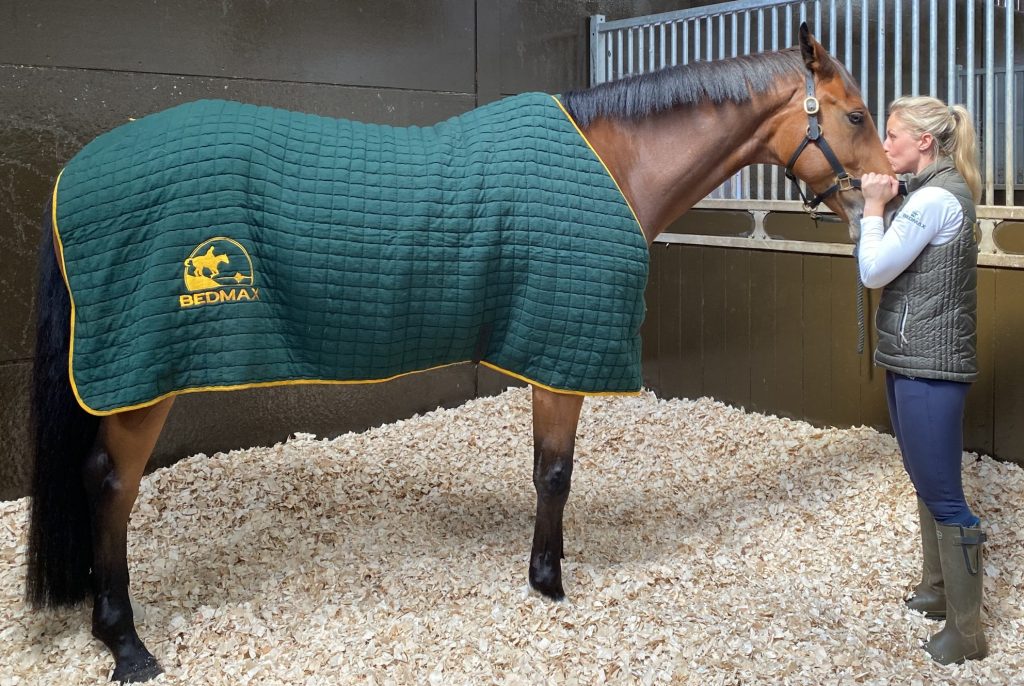
Stabling your horse: Keeping them in a clean, well-ventilated stable on very low dust bedding and soaked or steamed hay or haylage can reduce exposure to pasture particulates.
Monitoring the seasons: Pay attention to when symptoms start (often July) and plan to limit pasture time during these months.
Working with your vet: Various medications can help reduce inflammation and make breathing easier, but they are usually less effective if environmental changes aren’t made at the same time (i.e. bedding and forage).
Unfortunately, keeping horses off pasture during summer can be tough, especially for those used for riding or grazing. Without proper management, EPA can worsen over time, becoming harder to control.
The Bottom Line
EPA is a chronic and progressive disease, meaning it can get worse with each season if not managed properly. The challenge for horse owners is balancing the need to protect their horse’s health with their natural desire to graze and exercise outdoors. For now, if you suspect your horse has EPA, talk to your vet about diagnostic tests and management plans. Moving your horse to an indoor stable during flare-ups, watching for seasonal patterns, and staying vigilant can make a big difference in keeping your horse healthy and comfortable.
References and further information:
- Equine Asthma – Why do they keep changing the name?
This article provides a historical overview of equine asthma, including Summer Pasture Associated Obstructive Pulmonary Disease (SPAOPD), now known as equine pasture asthma (EPA). It explains the condition’s triggers, such as pollen and dust in pasture environments, and its similarities to human asthma. It’s useful for understanding the terminology and context of EPA. - Mycotoxins and horses – Help is at hand
This article discusses mycotoxins, harmful molecules produced by moulds, which can contribute to equine asthma, including EPA. It highlights the role of fungal spores (e.g., Aspergillus) in respiratory issues and provides practical advice on managing forage and bedding to reduce mycotoxin exposure, which is critical for EPA management. - Respiratory supplements for horses reviewed
This article reviews respiratory supplements for horses, noting that some, like those containing garlic, may not benefit equine asthma and could cause side effects. It’s relevant for EPA management as it underscores the importance of evidence-based approaches over unproven supplements, complementing environmental management strategies.
