


Article by Dr David Marlin, Dr Russell MacKechnie-Guire and Dr Rachel Murray.
How is research with animals carried out in the UK?
There seems to be some confusion around how research with animals is carried out in the UK, based on some posts that have been appearing on social media, so this may help clarify things. The irony is perhaps that the UK has the most stringent requirements anywhere in the world for research involving animals.
Animal Welfare and Ethical Review Body (AWERB)
Before any studies can be carried out, a thorough review of the full study design must be reviewed by an independent Animal Welfare and Ethical Review Body (AWERB) of the institute where the work will be undertaken or where the lead researcher is employed. Evidence of ethical approval is also now required for publication of any research involving the use of animals in a scientific journal, and has been for several decades.
In the UK, ethical review for research involving animals is governed by the Animals (Scientific Procedures) Act 1986 (ASPA), as amended by the Animals (Scientific Procedures) Act 1986 Amendment Regulations 2012, which transposes EU Directive 2010/63/EU into UK law. This requires licensed establishments (breeders, suppliers, or users of protected animals for scientific procedures) to establish an Animal Welfare and Ethical Review Body (AWERB). The AWERB provides local ethical review, promotes animal welfare, and supports the application of the 3Rs (Replacement, Reduction, Refinement). Unlike Research Ethics Committees (RECs) for human research, AWERBs are establishment-specific and focus on both ethical and welfare aspects of animal use.
Below are the key requirements for the composition of AWERBs, drawn from official guidance including the Home Office, RSPCA, and Laboratory Animal Science Association (LASA) documents. These emphasise multidisciplinary input, independence, and a culture of care.
Size and Membership – There is no fixed minimum or maximum size specified in law, but AWERBs must be sufficiently resourced and composed to fulfil their tasks effectively. In practice, membership is flexible and tailored to the establishment’s scale and needs, often ranging from 5–15 members to ensure manageability while covering required expertise.
Diversity of Expertise – Membership must be multidisciplinary, balancing scientific, welfare, ethical, and operational perspectives. This includes varying levels of seniority (e.g., junior and senior staff) to encourage open discussion and long-term development. Key competencies should cover animal husbandry, the 3Rs, ethics, statistics, experimental design, welfare assessment, and relevant scientific fields.
Mandatory and Required Members
Core Mandatory Members
- As per ASPA Schedule 2C, the AWERB must include at least: One Named Animal Care and Welfare Officer (NACWO), responsible for day-to-day animal care and welfare; One Named Veterinary Surgeon (NVS), or a suitably qualified expert in laboratory animal medicine; A scientific member (required for user establishments, i.e., those conducting procedures); Actively Engaged Roles: A Named Information Officer (NIO) and a Named Training and Competence Officer (NTCO) who must be actively involved, though not necessarily as full members, to support information dissemination, training, and competence assessment.
Recommended and Additional Members
- Lay Members: It is considered good practice to include lay (non-expert) members who are independent of the establishment and have no direct responsibilities under ASPA. They provide external perspectives, challenge assumptions, and represent public or ethical viewpoints. Establishments are encouraged to actively seek wider membership, including at least one independent lay person.
- Animal technologists or care staff for practical welfare insights.
- Project and personal licence holders (e.g., on a rotational basis) for scientific input.
- A Home Office Liaison Contact (HOLC) for administrative support.
- External experts (e.g., statisticians or ethicists), if internal expertise is lacking, can be co-opted as needed rather than permanent members.
- Establishment Licence Holder (for licensed research): While not a mandatory member, they must be advised by the AWERB and demonstrate senior management support, often attending meetings or appointing a representative.
Independence and Conflict of Interest
- AWERBs must operate impartially, with mechanisms to manage conflicts of interest (e.g., members recusing themselves from reviews involving their own work). The inclusion of independent lay members and external oversight (e.g., Home Office inspectors may attend meetings) helps ensure objectivity.
- A quorum is typically half the membership, with the Chair having a casting vote in ties. Decisions should prioritise consensus and ethical rigour.
AWERBs in the UK go beyond the minimum EU Animal Welfare Body requirements by incorporating ethical review functions specific to the UK context.
UK Government Licensing of Research Involving Animals
The second requirement is that the proposed research must be reviewed by a UK Government Veterinary Inspector. The inspector will determine whether the research requires a Home Office Licence or not. Generally speaking, non-invasive research and research involving normal accepted equine husbandry does not require a licence, whereas research involving any degree of pain or discomfort, e.g. taking blood samples, does require a Government Licence.
In the UK, animal experimentation is regulated under the Animals (Scientific Procedures) Act 1986 (ASPA), as amended by the Animals (Scientific Procedures) Act 1986 Amendment Regulations 2012, which incorporates EU Directive 2010/63/EU. ASPA requires specific licences to ensure that animal use in scientific procedures is strictly controlled, ethically justified, and aligned with the principles of the 3Rs (Replacement, Reduction, Refinement). Three types of licences are required for animal experimentation, issued by the Home Office through its Animals in Science Regulation Unit (ASRU). Below are the details:
Establishment Licence (PEL – Project Establishment Licence)
This authorises a specific place (establishment) where scientific procedures involving protected animals can be carried out, bred, or supplied. This is required by any institution or organisation (e.g., universities, research facilities, or commercial entities) conducting, breeding, or supplying animals for scientific procedures. The establishment must have adequate facilities, staff, and resources to ensure animal welfare and compliance with ASPA. An Animal Welfare and Ethical Review Body (AWERB) must be in place to review procedures and promote the 3Rs. The following named roles must be identified: Named Veterinary Surgeon (NVS) for animal health and welfare advice; Named Animal Care and Welfare Officer (NACWO) for day-to-day animal care; Named Information Officer (NIO) and Named Training and Competence Officer (NTCO) to support compliance and training. The establishment must be inspected by the Home Office to ensure compliance with welfare and procedural standards. Conditions: The licence holder (often a senior manager or director) is responsible for ensuring compliance with ASPA and maintaining a culture of care. The establishment must support ethical review and 3Rs implementation.
Project Licence (PPL – Project Procedure Licence)
A PPL authorises specific research programs or projects involving the use of protected animals for scientific procedures. This must be in the name of the principal investigator or project leader responsible for the research program. The project must be justified, demonstrating that the scientific objectives cannot be achieved without animal use (Replacement) and that the number of animals and harm caused are minimised (Reduction and Refinement). It must include: A detailed description of the project’s aims, methods, and expected benefits; A harm-benefit analysis, showing that the potential benefits outweigh the animal suffering; and Compliance with the 3Rs, including specific measures to reduce animal use and suffering. The project must be reviewed and approved by the AWERB before submission to the Home Office. The licence specifies the types of procedures, species, and number of animals to be used. The Home Office may impose specific conditions, and progress must be reported (e.g., through annual returns or retrospective assessments for certain projects).
Personal Licence (PIL – Personal Procedure Licence)
A PIL authorises an individual to carry out specific regulated procedures on animals as part of an approved project. Any person performing regulated procedures (e.g., researchers, technicians) under a project licence, whether a vet or a scientist, must hold the relevant PIL. Applicants for a PIL must demonstrate competence through training and experience in the specific procedures and species involved, e.g. Accredited courses covering ASPA, animal welfare, and the 3Rs and practical training under supervision to ensure technical proficiency. The applicant must be supervised by a project licence holder and work within an establishment licence. The AWERB and NTCO assess the applicant’s competence before the licence is granted. The licence specifies the procedures and animal species the individual is authorised to perform. Personal licence holders must maintain records of procedures and ensure compliance with welfare standards. Licences are subject to review and can be revoked if competence or compliance is not maintained.
Consequences of Failure to Comply with UK Legal Requirements on the Use of Animals in Research
Failure to comply with the Animals (Scientific Procedures) Act 1986 (ASPA), as amended by the 2012 Regulations, is a criminal offence in the UK. The ASPA regulates the use of protected animals in research, WHETHER UNDER a licence OR NOT, and non-compliance with its licensing requirements, welfare standards, or procedural rules can result in prosecution.
Non-compliance with ASPA can include:
- Conducting regulated procedures without the appropriate establishment licence, project licence, or personal licence.
- Breaching conditions of a licence (e.g., exceeding the scope of authorised procedures, failing to adhere to welfare standards, or not implementing the 3Rs).
- Failing to maintain proper records, report procedures, or allow Home Office inspections.
- Causing unnecessary or unjustified suffering to animals beyond what is permitted under the licence.
- Operating at an unlicensed establishment or using unauthorised animals or procedures.
These violations are primarily addressed under Section 24 of ASPA, which outlines offences related to non-compliance with the Act or its licences.
The penalties for breaching ASPA depend on the nature of the offence and whether it is prosecuted as a summary or indictable offence. According to the legislation:
Summary Offences (tried in a magistrates’ court):
- Most ASPA offences are prosecuted summarily.
- The maximum penalty is up to 6 months imprisonment and/or a fine (since 2015, fines in magistrates’ courts are unlimited in England and Wales for serious offences, but typically capped at Level 5, i.e., £5,000, for older legislation unless specified otherwise).
Indictable Offences (more serious cases, tried in a Crown Court):
- For severe or deliberate breaches (e.g., large-scale unlicensed experimentation or significant animal suffering), cases may be escalated.
- The maximum penalty can be up to 7 years imprisonment and/or an unlimited fine, particularly for offences involving cruelty or gross negligence.
- Administrative Sanctions: In addition to criminal penalties, the Home Office can impose administrative measures, such as:
- Revoking or suspending licences (personal, project, or establishment).
- Issuing compliance notices or improvement notices.
- Requiring retraining or barring individuals from future licences.
This is why researchers take the use of animals in studies incredibly seriously! Not only for legal requirements, but also for moral and ethical reasons.
Duty to human participants
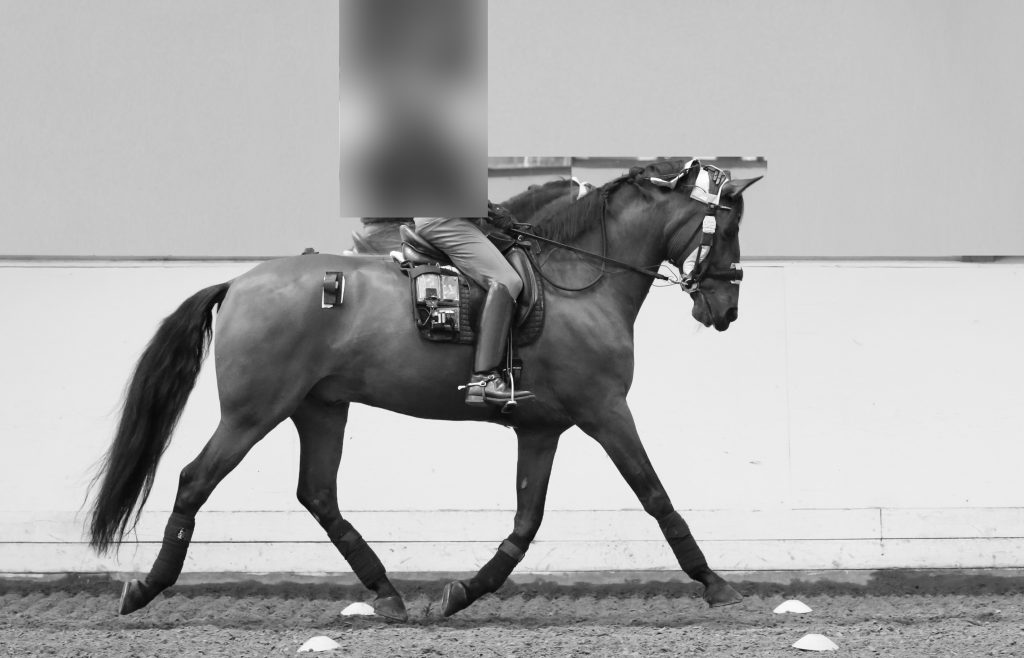
Studies involving animals such as horses or dogs owned by 3rd parties, i.e. the public, also require a duty on the part of the researchers to protect the identity and anonymity of the human participants, unless they specifically agree to the use of images or video. The names of owners/riders/handlers or horses should never be disclosed, and any images or videos should be anonymised. For this reason, it is not unusual to request individuals or groups outside the central project team to sign a legally binding undertaking (e.g. a non-disclosure agreement – NDA) as to what they may and may not disclose if they attend study days or view data collected within studies.
Summary
- The UK has the strictest regulations around working with animals in research anywhere in the world.
- Any research outside of normal husbandry requires licensing.
- Any research that involves “invasive procedures” e.g. taking blood samples, requires licensing.
- Licensed research requires licences for the location, the specific project and the individuals involved.
- Researchers in the UK take working with animals extremely seriously for moral, ethical and legal reasons.
- Researchers also have a duty to protect the identities of any people working with animals in studies, such as riders or handlers.
