


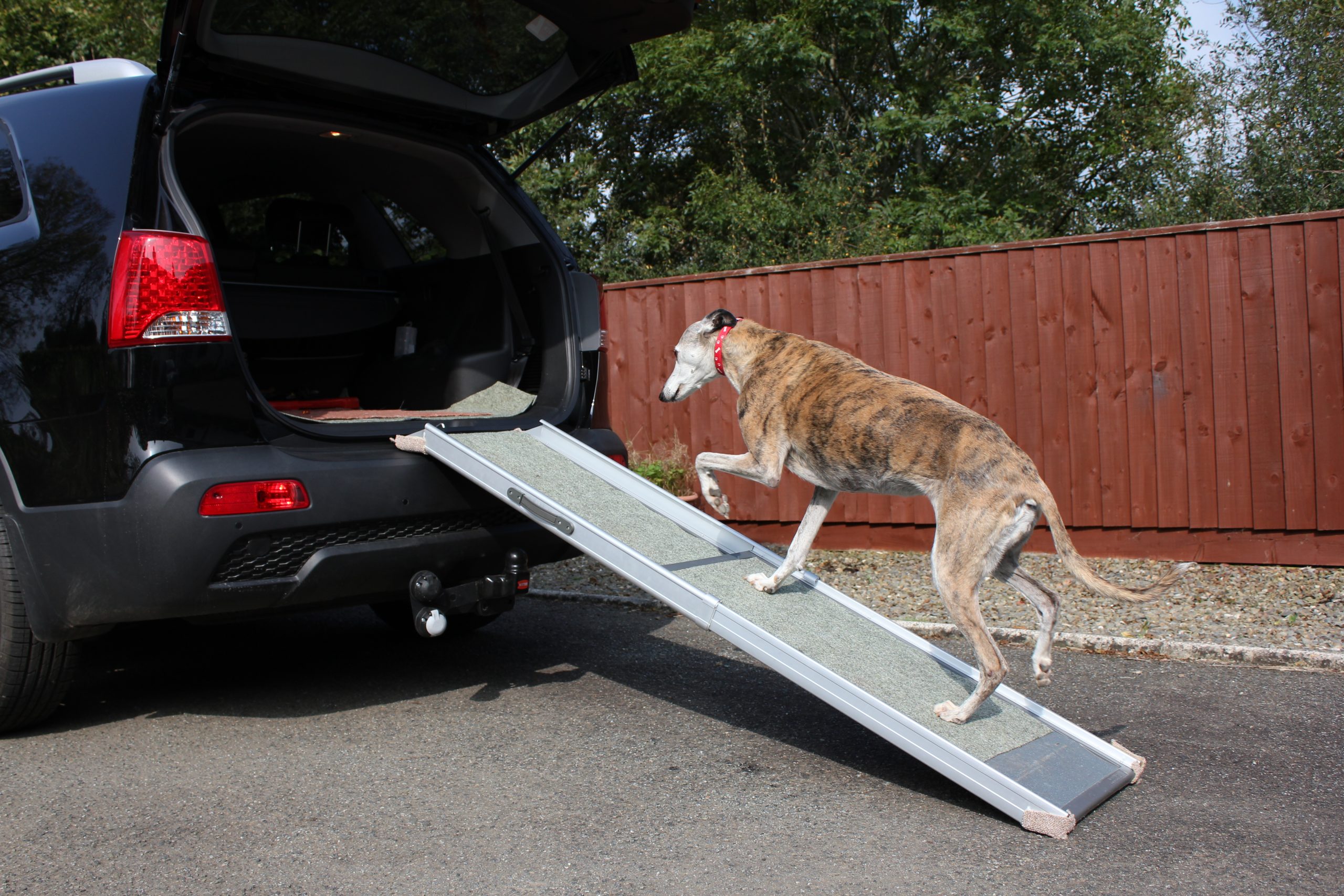
Canine arthritis, also known as osteoarthritis or degenerative joint disease, is a chronic condition characterised by the inflammation and degeneration of the joints. It is a common ailment in older dogs but can affect younger dogs as well, particularly those with a genetic predisposition or previous joint injuries.
Causes
- Age: Natural wear and tear on joints as dogs age.
- Genetics: Certain breeds are more prone to arthritis, including Labrador Retrievers, German Shepherds, and Golden Retrievers.
- Injury: Previous injuries or surgeries can lead to the development of arthritis.
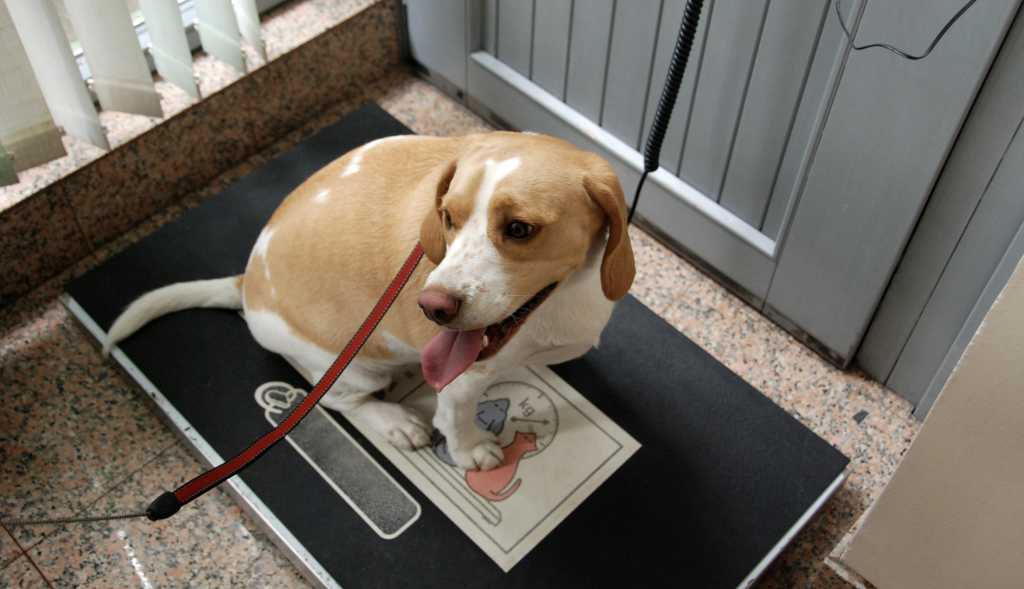
- Obesity: Excess weight places additional stress on the joints.
- Infections: Joint infections can lead to long-term damage.
- Autoimmune Diseases: Conditions where the immune system attacks the joints.
Recognising arthritis in dogs can be challenging. However, there are several signs and symptoms you can look for to determine if your dog might be suffering from arthritis:
Behavioural Changes
- Reluctance to Move: Hesitation to engage in activities that were once routine, such
as walking, running, jumping, or climbing stairs. - Decreased Activity: Less enthusiastic during playtime or exercise.
- Lethargy: Increased sleepiness and less overall energy.
- Irritability: Unusual aggression or irritability, especially when touched or moved.
Physical Signs
- Limping or Lameness: Noticeable limping, favouring one leg, or stiffness in gait, particularly after rest.
- Difficulty Getting up: Struggling to get up from a lying or sitting position.
- Swollen Joints: Visible swelling around the joints.
- Muscle Atrophy: Loss of muscle mass, particularly in the legs.
- Reduced Mobility: General difficulty moving, especially in cold or damp weather.
Changes in Habits
- Reluctance to Move: Hesitation to engage in activities that were once routine, such as walking, running, jumping, or climbing stairs.
- Decreased Activity: Less enthusiastic during playtime or exercise.
- Lethargy: Increased sleepiness and less overall energy.
- Irritability: Unusual aggression or irritability, especially when touched or moved.
Sensitivity and Pain
- Vocalisation: Whining, yelping, or barking when touched or during movement.
- Excessive Licking: Constantly licking or chewing at specific joints.
- Changes in Appetite: Reduced appetite due to pain or discomfort.
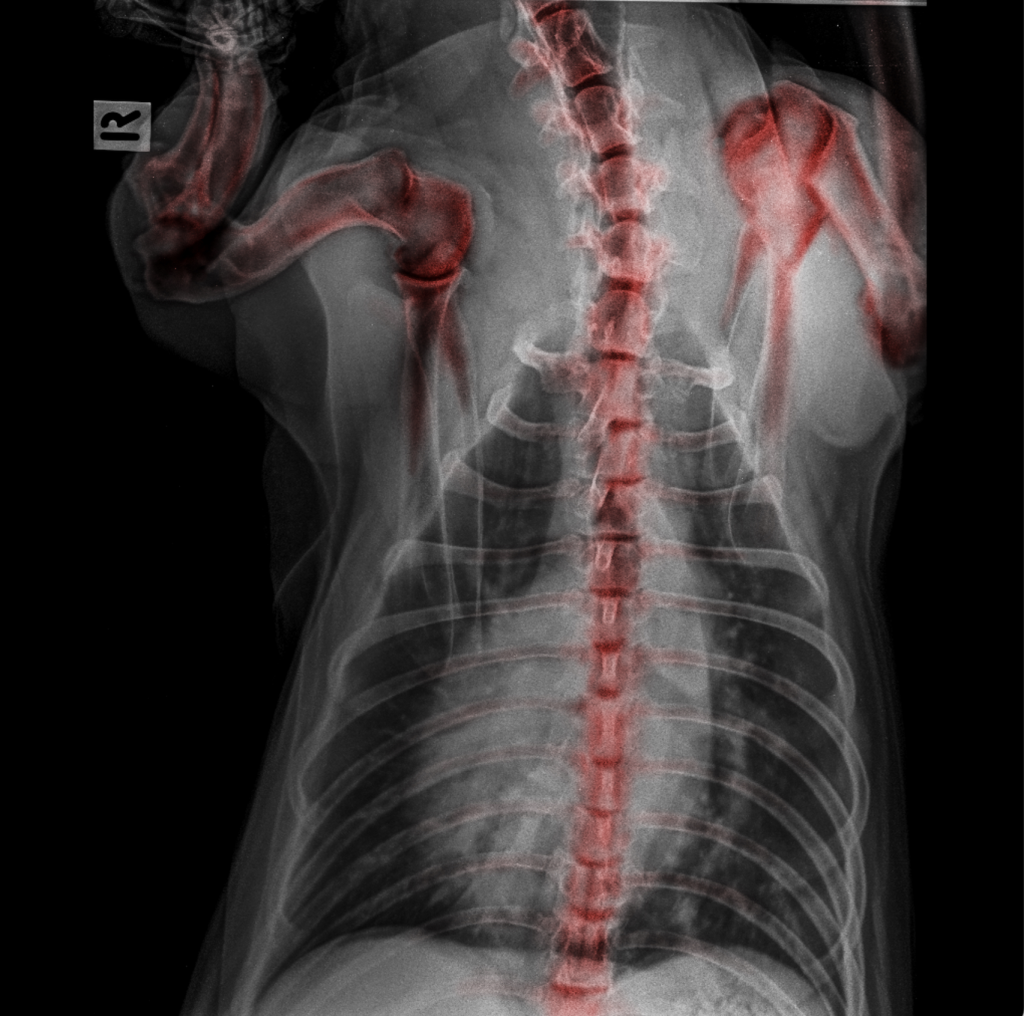
Professional Diagnosis
- Veterinary Examination: A thorough check-up by a veterinarian can help diagnose arthritis through physical examination.
- X-rays and Imaging: Radiographs (X-rays) or other imaging techniques can reveal
joint abnormalities. - Blood Tests: Rule out other conditions that might cause similar symptoms.
- Joint Fluid Analysis: In some cases, analysing the fluid from a joint can provide
information on inflammation or infection.
If you observe any of these signs in your dog, it’s crucial to consult with a veterinarian. Early diagnosis and intervention can help manage the symptoms and improve your dog’s quality of life. Treatment options might include medication, dietary changes, supplements, physiotherapy, and lifestyle modifications to ease your dog’s discomfort and maintain mobility.
- Medications: Anti-inflammatory drugs (NSAIDs), pain relievers, and supplements like glucosamine and chondroitin.
- Weight Management: Maintaining a healthy weight to reduce stress on joints.
- Exercise: Regular, low-impact exercise to maintain joint function and muscle mass.
- Physiotherapy: Techniques such as hydrotherapy, massage, and laser therapy to improve mobility and reduce pain.
- Diet: Special diets formulated to support joint health.
Physical therapy can be highly beneficial for dogs with arthritis by improving mobility, reducing pain, and enhancing their overall quality of life. Here are several ways physical therapy helps manage canine arthritis:
Benefits of Physiotherapy for Canine Arthritis
- Pain Relief:
Laser therapy: Laser provide pain relief, reduce inflammation, and promote tissue healing. It’s a non-invasive and quick treatment that can significantly improve your dog’s quality of life.
Cold and Heat Therapy: Applying cold packs can reduce inflammation and numb painful areas, while heat therapy can relax muscles and improve blood circulation to the joints. - Improved Joint Mobility
Range-of-Motion Exercises: Gentle movements and stretches designed to maintain or improve the flexibility of the joints. These exercises help to prevent stiffness and improve the range of motion.
Passive Range of Motion (PROM): The therapist moves the dog’s limbs through their range of motion without the dog actively engaging the muscles, which helps maintain joint flexibility. - Strengthening Muscles
Targeted Exercises: Specific exercises designed to strengthen the muscles surrounding the joints, providing better support and reducing the load on arthritic joints. This includes balance exercises and controlled movements to build muscle without over-stressing the joints.
Therapeutic Exercises: Activities such as walking on an underwater treadmill or navigating an obstacle course that are tailored to the dog’s abilities and designed to build strength gradually. - Weight Management
Exercise Plans: Developing a safe and effective exercise routine to help the dog maintain a healthy weight, which reduces the stress on their joints. Regular, controlled exercise prevents weight gain and helps keep the dog active. - Improved Circulation
Massage Therapy: Techniques that improve blood flow to the muscles and joints, helping to reduce stiffness and promote healing. Massage can also provide relaxation and alleviate discomfort.
Laser Therapy: Low-level laser therapy can enhance blood flow, reduce inflammation, and promote tissue healing, providing pain relief and improved joint function. - Enhanced Mobility and Function
Assistive Devices: Using tools like harnesses, ramps, or braces to aid in mobility and reduce strain on the joints.
Proprioception Training: Exercises that improve the dog’s awareness of their body position and movements, which can help in maintaining balance and coordination. - Personalised Care
Individualised Plans: Tailoring the physical therapy program to the specific needs and limitations of the dog, ensuring the exercises are effective and safe.
Conclusion
Physical therapy offers a multifaceted approach to managing canine arthritis by addressing pain, promoting joint health, and improving overall function and quality of life. When combined with other treatments such as medication and dietary changes, it can significantly enhance the well-being of dogs suffering from arthritis.
