


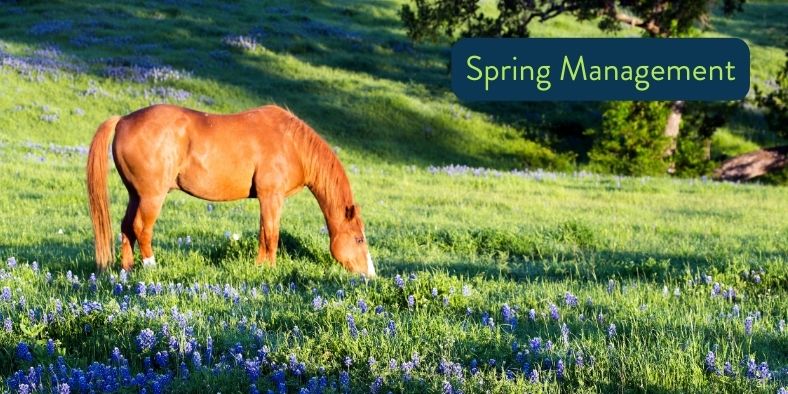
Is Spring Really a Good Time of Year for Our Horses? As winter fades and the first signs of spring emerge, many horse owners eagerly anticipate longer days, warmer weather, and the chance to spend more time outdoors with their equine companions. The promise of lush green pastures and blooming landscapes seems idyllic. But is spring truly the carefree season we imagine for our horses and ponies? While it brings renewal and energy, it also introduces several potential challenges that can impact their health and well-being. By understanding these risks, we can better manage them and ensure our horses thrive through the transition.
1. The Perils of Rapid Grass Growth
One of the most noticeable changes in spring is the sudden surge in grass growth, fueled by milder temperatures and increased rainfall. This can lead to quick weight gain in horses, especially those prone to obesity or metabolic issues. For some, the influx of rich, sugary grasses disrupts the hindgut microbiome, causing digestive upset like colic or diarrhoea. Behavioural changes, such as increased excitability or lethargy, may also arise from this nutritional shift. Most concerning is the heightened risk of laminitis, a painful inflammation of the hoof laminae that can be life-threatening if not caught early. To mitigate this, gradually introduce grazing with strip grazing, muzzles, or hay supplementation, and monitor your horse’s body condition closely.
Helpful resources:
Avoiding spring laminitis, by Dr Kirstie Pickles
Podcast – Equine Spring Health – Dr David Marlin

2. Sunlight and Headshaking Syndrome
Longer daylight hours are a hallmark of spring, but for horses suffering from Trigeminal Mediated Headshaking (TMH), this can exacerbate symptoms. TMH is a neurological condition where bright light triggers involuntary head shaking, sneezing, or rubbing, making riding or turnout uncomfortable. The increased sunlight acts as a signal, intensifying nerve sensitivity in affected animals. If your horse shows signs like persistent nose flipping or avoidance of sunny areas, consult a vet for diagnosis and management options, such as nose nets, UV-protective masks, or medications to desensitise the trigeminal nerve.
Helpful resources:
Headshaking, Head Flicking, Head Tossing, Trigeminal Mediated Headshaking
Is there a cure for headshaking?
Can diet help my headshaking horse?
Latest Headshaking Research Presented at BEVA Congress 2023
3. Soft Ground and Injury Risks
Spring’s thawing soils and frequent showers often result in soft, uneven ground that’s a far cry from the firm footing of summer. Pushing horses too hard in training or turnout on such surfaces can strain soft tissues, increasing the likelihood of tendon, ligament, or muscle injuries. These can range from minor sprains to severe tears requiring months of rehabilitation. Prevention is key: stick to arenas or well-drained areas for intense work, incorporate gradual conditioning programs, and consider protective boots or bandages. Regular farrier visits to maintain balanced hooves also help distribute weight evenly and reduce stress on limbs.

4. Emerging Sycamore Seedlings and Atypical Myopathy
As trees awaken, sycamore seeds (from Acer pseudoplatanus) begin germinating, posing a hidden danger in paddocks. If ingested, particularly in sparse or overgrazed fields, these seedlings contain hypoglycin A, a toxin that can cause atypical myopathy. This muscle-wasting disease leads to weakness, stiffness, dark urine, and potentially fatal organ failure. Symptoms can appear rapidly, so vigilance is essential. Clear paddocks of sycamore trees or seedlings, fence off risky areas, and provide ample forage to discourage browsing on potentially toxic plants.
Helpful resources:
Do you have Sycamore Trees in or around your pastures?
Atypical Myopathy (Seasonal Pasture Myopathy)
5. Air Quality Shifts and Respiratory Concerns
Spring’s beauty comes with airborne irritants like pollen from flowering plants and mould spores from damp environments. For horses with sensitivities, such as those with recurrent airway obstruction (heaves) or allergies, this can trigger coughing, nasal discharge, or laboured breathing, compromising respiratory health. Stabling during high-pollen periods, using dust-free bedding, and ensuring good ventilation can help. In severe cases, veterinary-prescribed anti-inflammatories or bronchodilators may be needed to maintain clear airways.
In conclusion
While spring offers a welcome respite from winter’s chill, it’s not without its hurdles for our horses. By staying proactive, through careful pasture management, environmental monitoring, and prompt veterinary advice, we can navigate these challenges and let our equine friends enjoy the season safely. After all, a little preparation turns potential pitfalls into opportunities for a healthy, happy spring. If you’re noticing any unusual signs in your horse, always consult a professional for tailored guidance.
Helful Links and further advice:
- Video – Spring Colic
- Podcast – Equine Spring Health – Dr David Marlin
- Video – Spring Respiratory Issues
- Does your horse suffer from respiratory issues in Spring?
- Mild-Winter – Early Spring – What to watch for!
- Podcast – Spring Respiratory Disease by Dr David Marlin
- Avoiding spring laminitis, by Dr Kirstie Pickles
