


As temperatures rise during the summer months, one often-overlooked hazard for dogs is the extreme heat of everyday surfaces like roads, tarmac, concrete pavements, and even artificial turf. While we slip on shoes without a second thought, our dogs walk directly on these surfaces with only the thin pads of their paws for protection. What many pet owners don’t realise is how dramatically surface temperatures can exceed air temperatures—and how quickly this can lead to painful, serious burns.
The Science Behind the Danger
Dog paw pads are made of tough, leathery skin, but they are not immune to extreme heat. Veterinary experts and animal safety organisations consistently cite 52°C (125°F) as the critical threshold where skin damage and burns can begin. At this temperature, significant injury can occur in as little as 60 seconds of contact.
Higher temperatures accelerate the damage dramatically. At 54–60°C (130–140°F) burns can develop in seconds rather than minutes. And surfaces on a hot day can easily reach 60–71°C (140–160°F), especially dark tarmac.
Road surfaces act like a heat sink, rapidly soaking up solar energy and retaining it long after the solar heat load has peaked. This creates a hidden risk even on days or times of day that feel moderately warm to us.
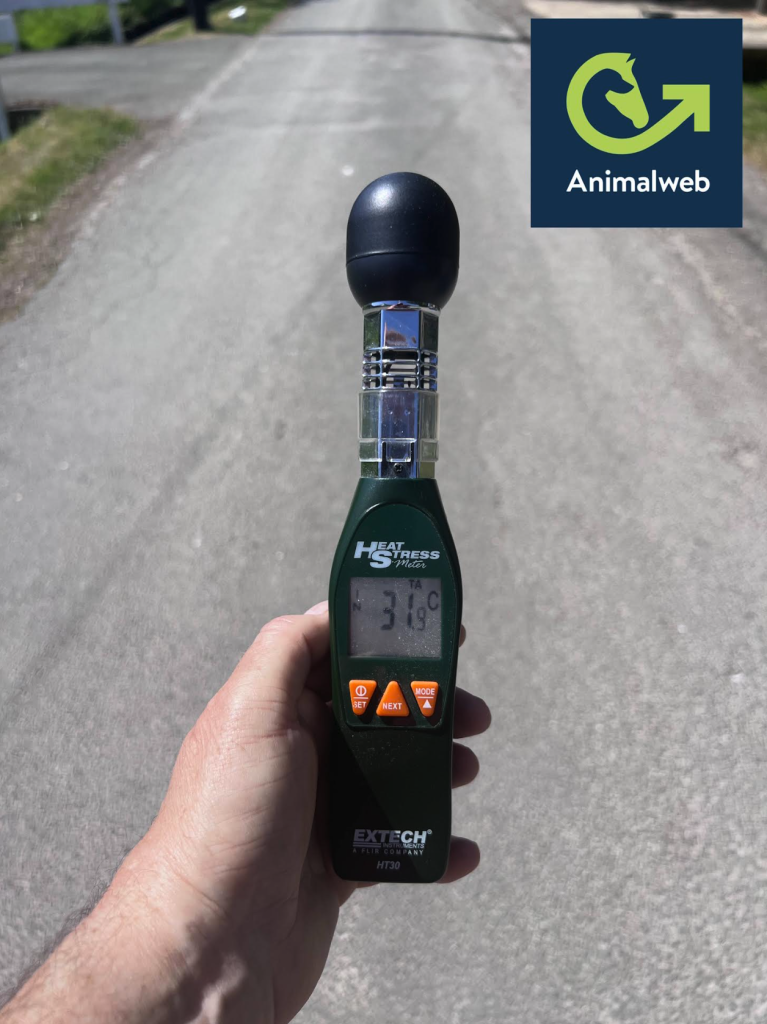
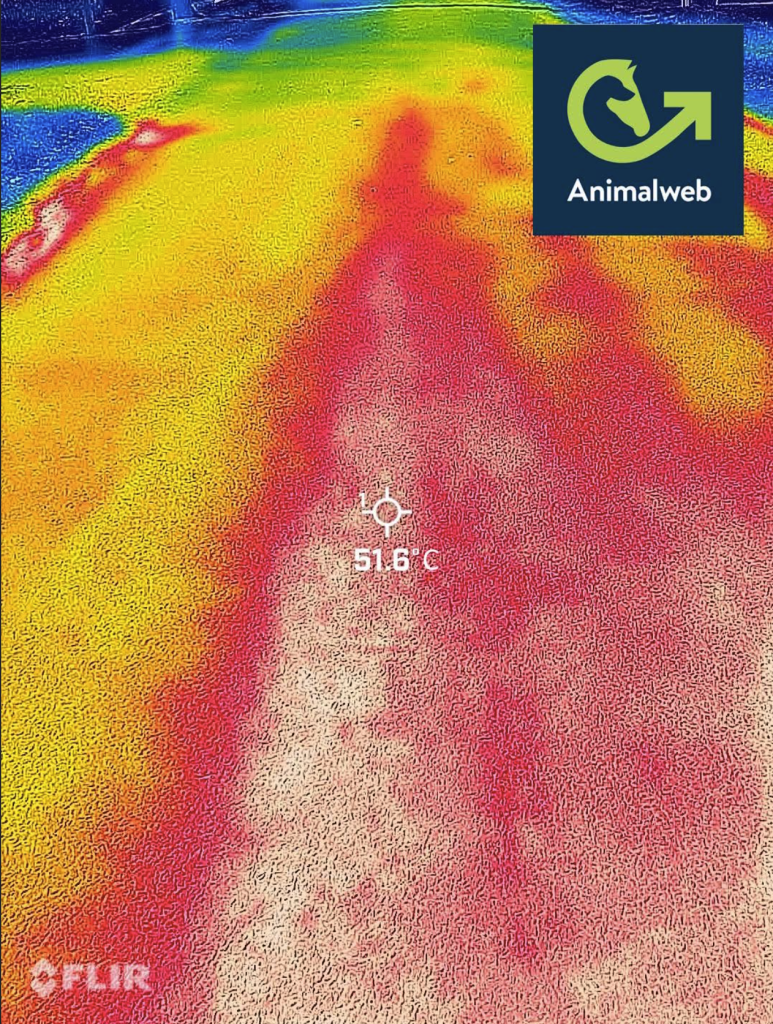
How Surface Temperature Compares to Air Temperature
| Air Temperature | Approximate Tarmac Surface Temperature | Risk Level for Dogs |
| 25°C (77°F) | 52°C (125°F) | High – burns possible in ~1 minute |
| 29–31°C (85–87°F) | 57–62°C (135–143°F) | Very High – rapid burns likely |
| 32–35°C (90–95°F) | 63–71°C+ (145–160°F+) | Severe – avoid road walks entirely |
Other surfaces also heat up, though usually not as intensely as tarmac/asphalt or concrete: Concrete is typically 6–11°C (10–20°F) cooler than tarmac. Brick and sand can also still become dangerously hot. Artificial turf often rivals or exceeds tarmac because it traps heat.
A good way to check safety is the back-of-the-hand test:
- Place the back of your hand firmly on the surface.
- Hold it there for 5-10 seconds.
- If it feels too hot or uncomfortable for you, it is too hot for your dog.
This quick check accounts for real-world conditions like direct sunlight, humidity, and wind. An infrared thermometer can provide precise readings if you prefer a more scientific approach, but the hand test remains the gold standard recommended by veterinarians and organisations like the RSPCA and Dogs Trust.
Which Dogs Are More Sensitive to Heat on Their Paws?
Certain dogs face a higher risk of paw burns due to their age, build, breed characteristics, or paw condition:
- Puppies: Their paw pads are still developing and much more sensitive and delicate than those of adult dogs.
- Senior dogs: Older dogs often have thinner or drier paw pads, reduced tolerance to heat, and may already have joint issues that make them more vulnerable.
- Small and short-legged breeds: These dogs are closer to the hot ground, absorb heat faster, and have smaller paws with less padding (e.g., Chihuahuas, Dachshunds, Yorkshire Terriers).
- Brachycephalic (flat-faced) breeds: Breeds such as Bulldogs, Pugs, French Bulldogs, and Boxers overheat more quickly overall, which compounds paw sensitivity.
- Dogs with thin or dry paw pads: This includes some sighthounds (e.g., Greyhounds, Whippets) and any dog with naturally thinner pads or those not regularly walked on hard surfaces.
- Dogs recovering from illness or with skin conditions: Allergies, previous injuries, or conditions that affect the skin can make pads more fragile.
- Any dog after swimming or bathing: Wet pads are temporarily softened and far more prone to burning on hot surfaces.
If your dog falls into any of these categories, extra caution is essential.
Recognising Burned Paws: Signs and Symptoms
Dogs are often stoic and may not show pain immediately. Watch closely for these common indicators of paw pad burns:
- Limping or “prancing” gait
- Excessive licking or chewing at the feet
- Redness, swelling, or blisters on the pads
- Darker or blackened areas on the paw pads (indicating more severe damage)
- Holding one or more paws up
- Reluctance to walk or sudden lethargy
- Peeling, cracked, or ulcerated pads in the following days
If you notice any of these, act quickly. Burns can lead to secondary infections if left untreated.
Immediate Treatment for Paw Burns
If you suspect your dog has burned paws:
- Cool the area – Rinse paws gently with cool water or apply a cool compress for 10–15 minutes.
- Clean gently – Use mild soap and water to remove debris.
- Apply protection – Use a vet-recommended antibiotic ointment and bandage loosely to prevent licking.
- Prevent licking – An Elizabethan collar (cone) may be necessary.
- See a vet promptly – Severe burns, signs of infection (pus, odour, increased swelling), or deep tissue damage require professional care, which may include pain medication, stronger antibiotics, or wound management.
Prevention: Smart Strategies for Hot Weather
The best approach is prevention. Here are some practical tips:
- Time your walks wisely – Early morning before the sun heats surfaces or late evening after they’ve cooled are safest.
- Choose better routes – Stick to grass, dirt tracks, or shaded pavements whenever possible.
- Use protective gear – Dog booties, paw wax (such as Musher’s Secret), or even temporary adhesive pads can provide a barrier.
- Stay hydrated and cool – Always carry water and consider cooling vests or mats for your dog.
- Know your dog’s limits – Puppies, senior dogs, brachycephalic breeds (flat-faced), and dogs with thin or sensitive pads are at higher risk.
- On days when the air temperature exceeds 29–32°C (85–90°F), limit walks to toilet breaks only and providing indoor enrichment instead.
Final Thought: Hot surface burns are entirely preventable with awareness and simple precautions. Your dog relies on you to make safe choices during warm weather. By understanding surface temperatures, using the 5-10-second test, and adjusting routines accordingly, you can keep those happy walks injury-free all summer long.
Always consult your veterinary surgeon for personalised advice, especially if your dog has pre-existing health conditions.
