


Polls, surveys, questionnaires, expert reviews, member testing, lab testing
Recently, we’ve been contacted by a number of members, non-members and companies who have been confused by some of the references to Animalweb content they have seen on sites other than ours. In some cases, this confusion is not intentional, but in others, it appears that some companies may be intentionally trying to confuse consumers, for example, referring to “testing” when they should be referring to a “survey”. It appears this may be because the company has done well in one, but not in the other.
So we decided we should explain how we carry out our surveys, testing, etc.
Polls, Surveys & Questionnaires
These are all essentially the same thing. We ask some questions. Anyone can respond. We do have checks and restrictions to ensure that these cannot be manipulated, e.g. by setting up a bot to give 1000 votes for a particular product. So what’s the difference?
Polls – tend to be short, maybe 2-5 questions, anonymous, and we often show all results once you have voted.
Surveys – Generally more detailed, may be incentivised with prize draws to encourage more entries. We may ask information about age range, general geographic location, and type of sport and level (e.g., pleasure, local, regional, national, International). A survey would typically cover what consumers think of specific types of products, such as fly masks, fly rugs, grazing muzzles, saddle pads, etc. The aim is to be able to evaluate how well products perform in ways we cannot easily test in the lab e.g. how well different brands of saddle pad wash or how good is the companies size guide.
Questionnaires – similar to surveys, but here we are usually asking for people’s opinions or experiences. E.g. we recently ran a questionnaire around what factors should be considered when matching riders with horses or ponies. We are currently running a questionnaire around owners’ experiences with alfalfa. So whilst surveys are generally about specific products and brands, questionnaires are more about views on general issues.
Expert reviews
Another type of testing we undertake is expert review. Here, we would ask one of our experts to review a specific type of product. For example, Dr David Marlin has reviewed joint supplements, comparing their ingredients and clinical trials. Dr Gillian Tabor has, for example, reviewed red light therapy, percussive therapy (massage guns) and horsewalkers.
Member Testing
We sometimes conduct testing of products with our members. For example, after our glove survey, we picked a range of products based on rating and price, and sent them out to members to test. We recruit the members with a short pre-questionnaire. We then send them the product, and after they have used it for a suitable period, we ask for structured feedback. i.e. we may ask them to rate the product on a variety of factors.
“Laboratory” Testing
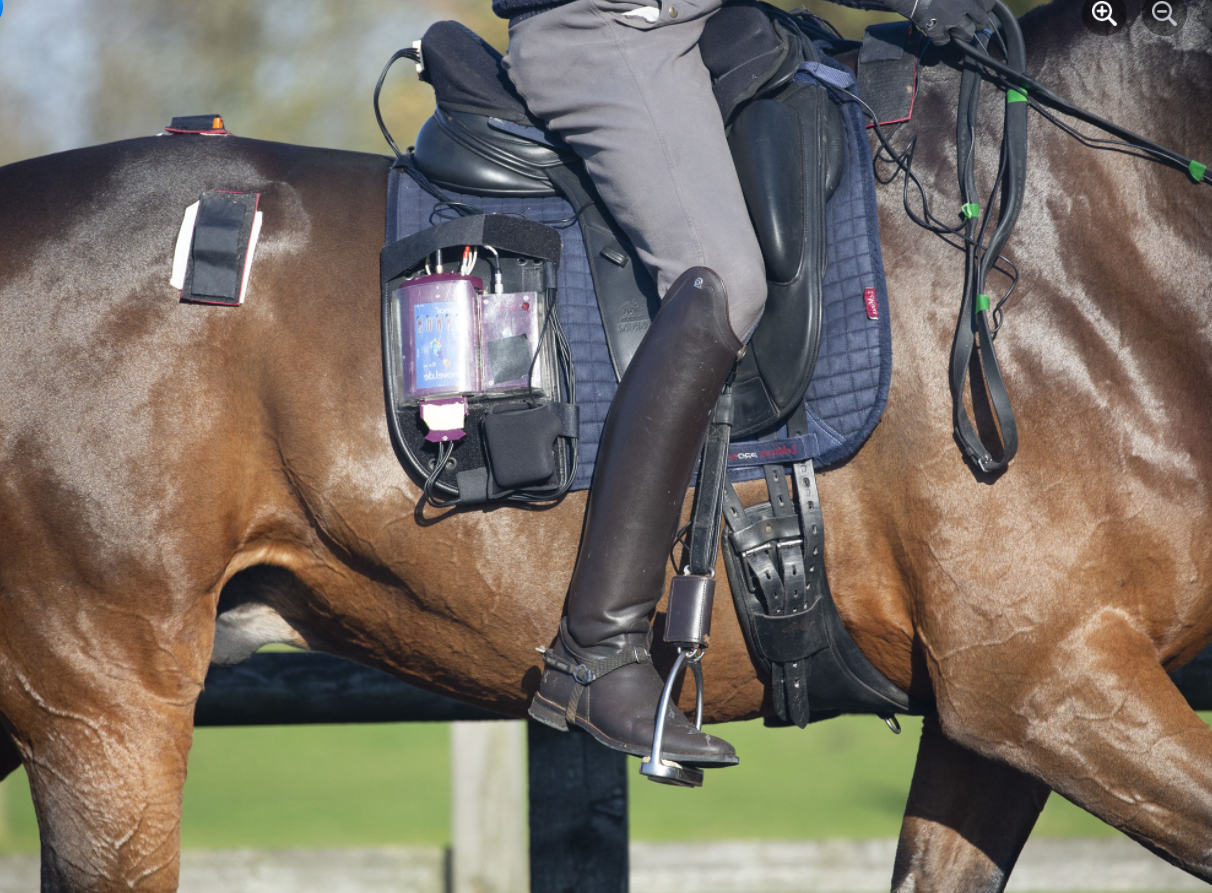
Essentially, this refers to any testing that we may conduct where we purchase a range of products and test them, usually without the brands we test knowing that we are undertaking the testing. The brands we choose to test are often based on a survey or poll. The testing compares all the products under the same “laboratory” conditions;. However, some testing may actually take place in stables, arenas, or in the field, depending on the product to be tested. Recent lab tests have involved open-fronted tendon boots, evaporative cooling rugs and saddle pads.
Who can use our results?
ALL the activities we undertake are paid for by members’ subscriptions. Therefore, most content is behind the paywall for members only to view.
In some cases, where we feel there is a welfare aspect, we may choose to make the content free to all, e.g. the grazing muzzle survey results.
No company is allowed to use our data on their website without our express permission, and if they do, you will see………be able to tell because……
Do you undertake paid testing for companies?
Yes, in some circumstances. Companies may come to us in the development stage of a product and ask us to test it against competitors to assess its performance. In these cases……
If companies have paid for testing, then the data belongs to them to use. They may decide to use all or some of the data in their marketing. We do not have control over this, but we do not endorse it.
