Rules and Regulations are a fact of life. We are all subject to safety rules and regulations in many areas of our lives, including professional and recreational, and livery yards are no different. The most obvious safety rules tend not to change from yard to yard, but we’d like to dig a little deeper to uncover the possible reasons behind some of the rules to give more detailed explanations as to the ‘why?’
Yard Owners and Managers have a deep and detailed awareness of the dynamics of groups of horses because they observe their behaviour, hour after hour, day after day. The decisions they make and their yard rules are there to keep horses, staff and clients safe, as well as other professionals visiting the yard. They have most likely come to these decisions after real experiences of what happens when things go wrong.
Naturally, it is impossible to generalise as all yards work differently depending on size, services and facilities available and the mixture of horses and disciplines. The elements that we will discuss here won’t apply to every yard, but may give an insight into the considerations behind some of these rules.
Field Safety
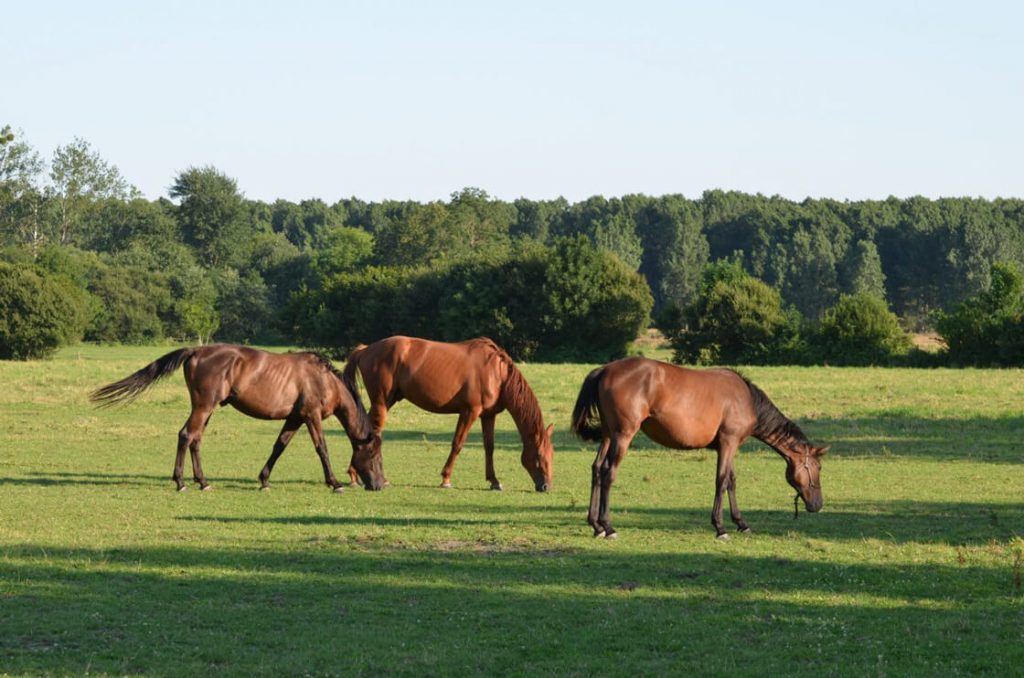
A query arose recently concerning a Yard Owner enforcing a rule for a client not to use a feed bucket when bringing their own horse in from a herd. This can be a very unsafe practice, and there’s a real danger that someone will get hurt. The other horses in the field could react unpredictably – once settled in a group, they have a very strict hierarchy, even if it’s not obvious. When everything seems calm, a pecking order still exists and introducing a feed bucket to the field for just one horse disturbs the balance of the herd. In short, a situation in the field has been created that disturbs behaviour that had previously been adjusted naturally. For example, a food-aggressive horse could become a huge risk in this situation, the owner and staff working with the horse will know how to manage this situation safely.
Some yards do occasionally feed in the field and we’ve seen it work well and work safely. The grooms’ knowledge of each horse is the key to success in this scenario. Small pens can be created and details such as the order of feeding, size of the feed and even how long a horse will take to finish are all taken into account.
On the Yard
Rules around tying up areas . . .
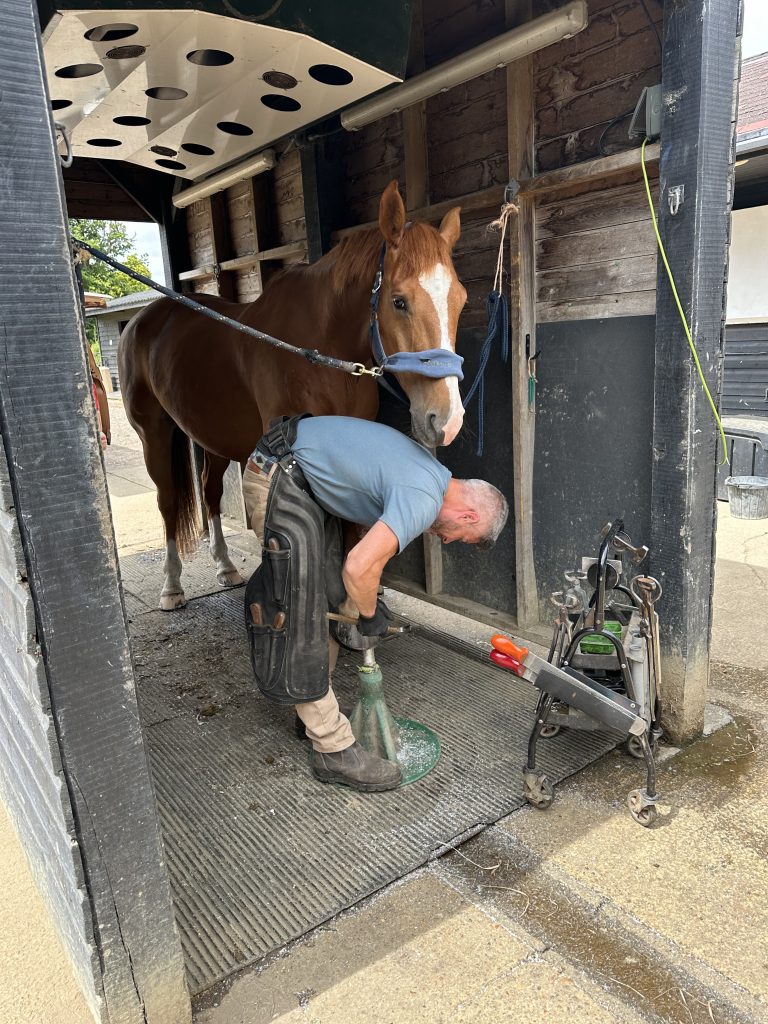
Depending on the layout of your yard, some walkways may be narrower than others and need to be kept completely clear so horses can be walked through safely. In terms of maintenance costs, we know that horses, being large and heavy, will inevitably cause some damage to the areas they occupy, even if this is limited to expected wear and tear. Damage that can reasonably be avoided helps to minimise additional costs. For example, you may find rings attached to the brick end of a barn (or cross ties) that are ideal for tying up for the farrier. Tying up to rings attached to wood aren’t suitable for all horses due to damage to the area from biting and chewing. From a maintenance perspective it’s logical to avoid the damage that can be avoided so funds can be directed to regular maintenance elsewhere.
Please only leave a head collar and hoof pick outside your stable; tools and grooming kits should be kept in the tack room . . .
Again, this is a safety concern for everyone who is moving horses around. While turning out and bringing in, a groom may walk through a barn twenty or thirty times a day, and they only have to miss an obstacle in their path once for an accident to happen. If a dislodged straw fork is kicked by a jumpy pony, the pony could jump on the groom that is leading it. Unlikely? Not really, we recognise grooms are in a high risk profession in terms of injury and these precautions to give them a safer working environment are essential.
Some yards have a policy of no hay nets tied up outside your stable . . .
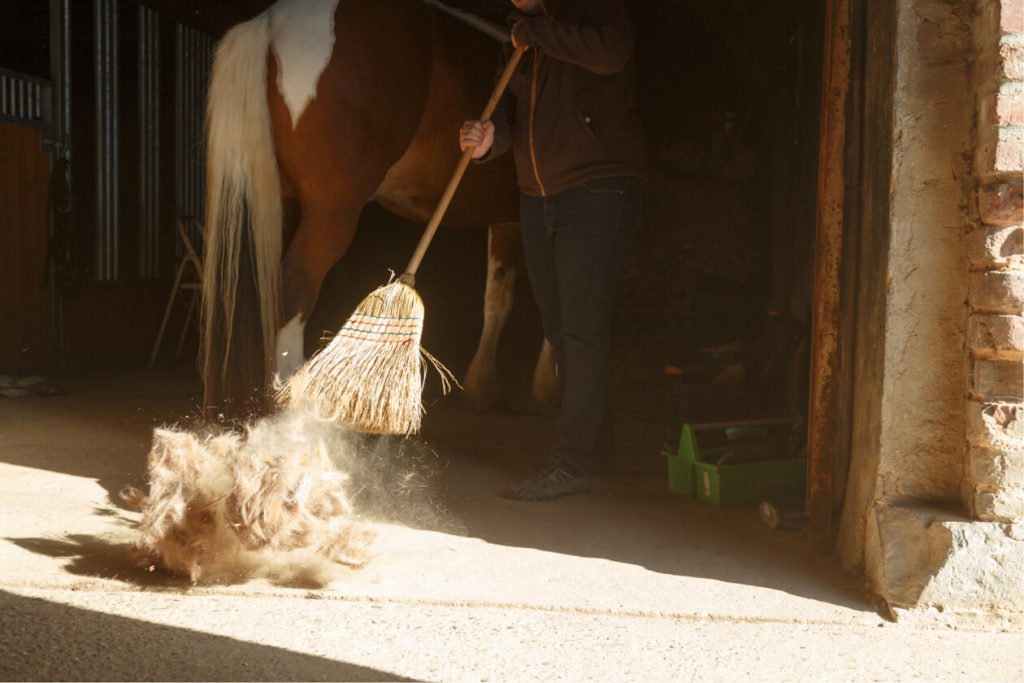
You know you’ll always sweep up (minus the bits that blow across the yard), but not everyone is as tidy, and it creates another job for the groom who’s already swept the yard that morning. Blanket rules can be frustrating if you’re a tidy person, but yard staff need to manage their time efficiently.
Arena Etiquette
A new arena can cost between £40,000 – £80,000, with annual maintenance costs added to this, depending on use. It makes good financial sense to maintain it as carefully as possible to extend the life of the arena. Yards will have their own rules based on the Yard Owners’ preferences and their past experiences. Rules can cover the following areas:
No Lunging or free-schooling . . .
Some yards may not allow lunging and free-schooling in arenas at all to protect the surface. Other yards will permit if the person is experienced, in control and understands how to move up and down the arena to prevent damage to the surface and the membrane. A well-balanced horse will not cause this kind of damage, but the Yard Owner has to apply one rule for all; otherwise, life becomes far too complicated. No riding and lunging at the same time is a fairly common rule and, like so many situations, has been put in place having seen the alternative go badly wrong.
Sole use bookings must be made in advance . . .
A Yard Owner will seek to ensure the arena is available to everyone, this may mean that sole use for a private lesson needs to be booked in advance and communicated across the yard. As with most things, a clear conversation when viewing the yard will clarify everyone’s expectations as all yards have very different rules around arena use and bookings.
Arenas are sometimes hired out for external activities which will impact on availability for liveries – this can be frustrating if it was not entirely clear at the start of the contract. This is likely to be a financial equation – the income is needed for the business and a regular income of that weekly hire fee (for example, every Sunday) may be keeping the livery cost unaltered. This will be far less frustrating if it’s explained clearly in initial conversations.
Please pick out hooves and pick up droppings before leaving the arena . . .
Surfaces are incredibly expensive and a surprising amount of sand comes out of an arena after twenty horses have used it in a day. Picking out feet only takes a minute and it will also save sand having to be swept up from the yard. Apart from simply bad housekeeping, droppings being left and trodden into the surface can degrade the sand and affect the drainage.
Visiting Professionals
Please notify the yard owner of any visitors expected on site . . .
Most yards will insist on knowing exactly who is coming onto the yard. It’s not because they’re nosy or getting overly involved; it’s a matter of safety and security. None of us want random strangers visiting the yard. Some yards may ask to see a professional’s qualifications and a copy of their insurance documents—this may well be a requirement of the yard’s own insurers, with which they have to comply.
Yard owners will try to make their yard a safe and enjoyable place for owners and horses to be. Some rules may seem strange but they have usually evolved from sometimes painful experiences and are in place to prevent (or at least minimise) dangerous situations. No yard will suit perfectly, and you may find yourself subject to a rule that, individually, need not apply to you, e.g. a perfectly balanced horse on a lunge line. However, the difficulties of setting out fair rules when they have to apply to twenty or more clients cannot be underestimated.
We all love spending time at the yard so be kind, be reasonable, and try to look at the bigger picture.