


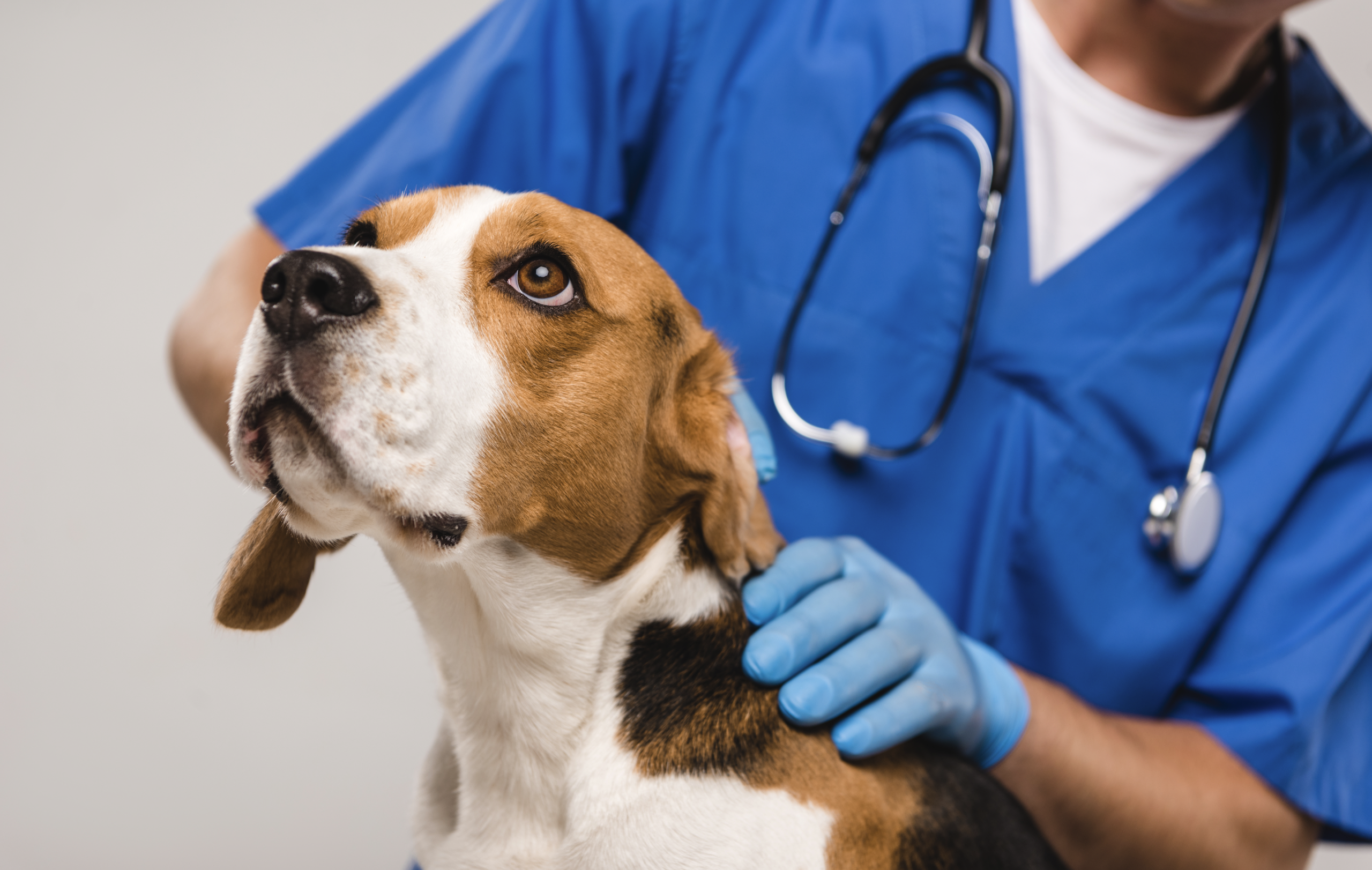
A new peer-reviewed paper has reported measurable shifts in gut inflammation and microbiome measures in healthy adult dogs fed a daily chew containing a mix of probiotics, prebiotics and a yeast extract (a “postbiotic”).
What the researchers tested
The team ran a double-blinded, randomised, placebo-controlled feeding trial in 24 healthy adult beagle dogs over 31 days. Dogs were split into two equal groups:
- PPYC: a commercial chew containing spore-forming probiotics (Bacillus subtilis, Bacillus clausii, Bacillus coagulans/Weizmannia coagulans) plus FOS, GOS, and a heat-treated yeast extract
- Control chew: matched chew with the “active” ingredients removed
Throughout the month, researchers collected faecal samples (for calprotectin, IgA, and microbiome analysis) and blood samples (for CRP, cortisol, and a panel of cytokines).
Key findings
Compared with the control group, dogs receiving the probiotic, prebiotic and yeast chew showed:
- Lower faecal calprotectin at the end of the study (a biomarker associated with reduced intestinal inflammation)
- A trend towards lower blood CRP (a general marker linked with tissue inflammation), although this did not reach conventional statistical significance
- An increase in IL 17A at study end, indicating an immune signalling change alongside the gut findings
- Microbiome changes consistent with improved resilience, including an increase in Shannon alpha diversity within the supplemented group and shifts in some dysbiosis associated taxa (for example increased Blautia and changes in C. hiranonis)
The supplement was generally well tolerated, with only mild, transient digestive upsets reported in both groups.
Why this matters
Interest in “biotics” for pet health is growing fast, but studies often focus on dogs with clinical disease. This trial suggests that even in clinically healthy dogs, a synbiotic style supplement can shift objective biomarkers linked to gut inflammation and microbiome diversity, which are commonly discussed as indicators of gut health robustness.
Important limitations and transparency
This is useful data, but it is not the final word:
- The dogs were healthy, research facility beagles, not client-owned pets, and the study lasted 31 days
- Sample size was small (12 dogs per group)
- The research was funded by PetLabCo, and most authors were PetLabCo employees or consultants, with Texas A&M providing GI lab services (fee for service)
The authors note that longer studies and trials in dogs with GI disease (for example, chronic enteropathy or IBD) would help clarify clinical relevance.
What this means for dog owners
If your dog is healthy, this study suggests certain synbiotic type chews may influence gut inflammation markers and microbiome measures. If your dog has ongoing digestive issues, allergies, or suspected chronic gut disease, supplements should be discussed with your vet, and evidence in clinically affected dogs is still the key gap.
Read the study: Effect of a Supplement Containing Probiotics, Prebiotics, and Yeast Extract on Gut Inflammation, Microbiota, and Cytokines in Healthy Dogs (Pets, 2026). (MDPI)
