


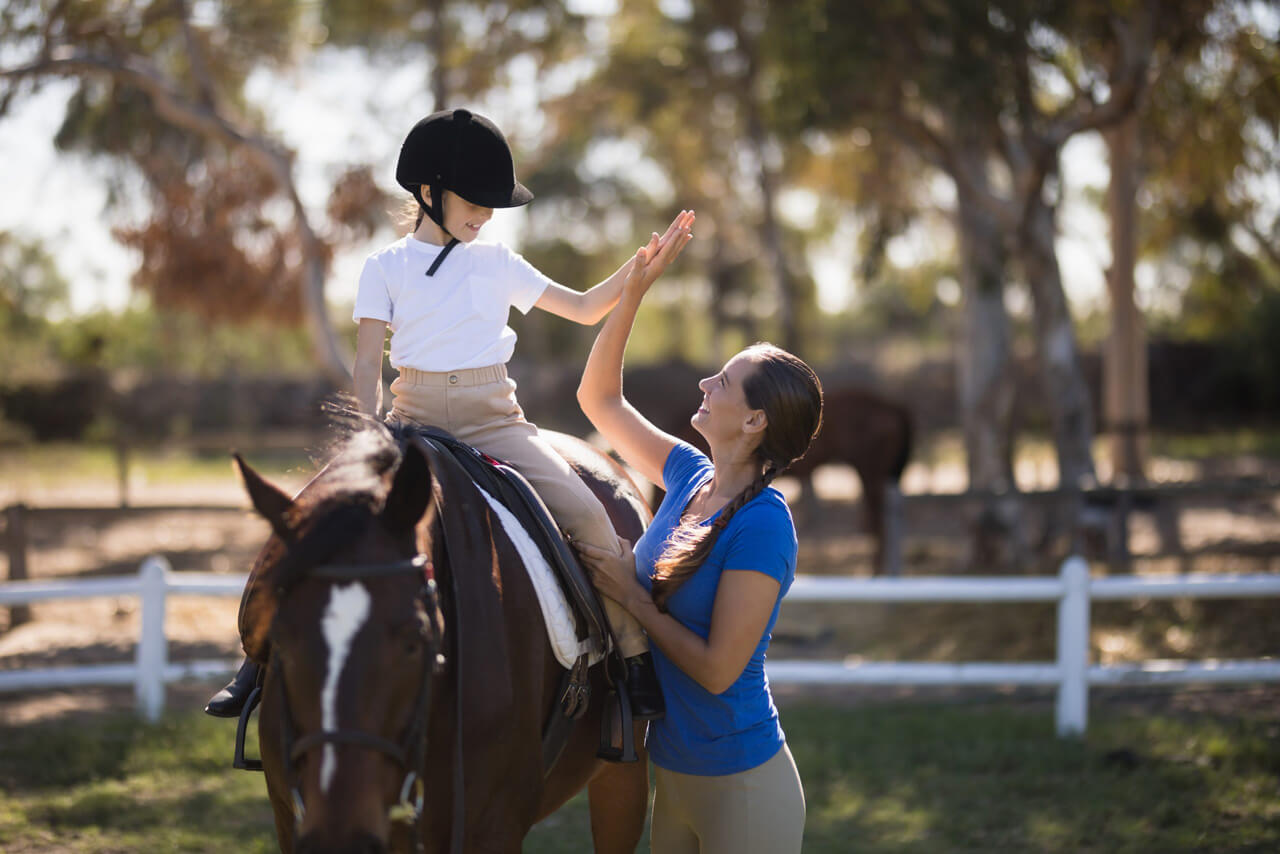
In this conversation, Dr David Marlin speaks with Annie Price, who runs a riding school in Somerset. They discuss the importance of creating a positive and supportive environment for riders, particularly those with mental health challenges. Annie shares her experiences of fostering individual growth in riders, addressing bullying, and the cultural differences in equestrian training between Germany and the UK. They emphasise the need for leadership in riding schools to cultivate a happy atmosphere for both riders and horses, and explore innovative teaching methods that prioritise enjoyment and personal development over competition.
Discussion Points:
- Creating a supportive environment is crucial for rider development.
- Cultural differences impact the approach to equestrian training.
- Individual growth should be prioritised over competition.
- Mental health awareness is essential in riding schools.
- Leadership plays a key role in shaping the culture of riding schools.
- Innovative teaching methods can enhance the learning experience.
- Building a community fosters confidence and camaraderie among riders.
- Addressing bullying promptly is necessary for a healthy environment.
- Happy riders contribute to the well-being of horses.
- A positive atmosphere leads to a thriving equestrian business.
Find out more about YardWise – yardwise.co.uk
In an industry so vital to equine welfare, yard owners are too often left to figure things out alone. With rising costs, growing client demands, and no real regulation or support, it’s no wonder many feel overwhelmed. YardWise was created to change that.
It’s not just a day out—it’s a practical, in-person event offering real guidance, expert insights and workshops, and a space to connect with others facing the same challenges. From legal and employment advice to welfare and business best practices, it’s tailored for livery yard, riding school, and equestrian centre owners who want to do better—and stand out for it.
Whether you’re just starting or have run a yard for years, YardWise is your chance to learn, connect, and be part of a movement that’s raising the standard and protecting the future of the industry.
Join the Yard Owners who have already bought their tickets… Limited tickets available on a first-come, first-served basis.
CLICK here to head over to the main Podcast page to see the complete list of podcasts available.
Transcription
Here is a transcription of the podcast. (Please note this is an automated transcription, so we apologise for any errors from the original podcast.)
Dr David Marlin:
Hi and welcome to this Animalweb podcast. Today I’m talking to Annie Price, who runs a riding school down in Somerset. Hi Annie, how are you?
Anne Price:
Hi, I’m well thank you.
Dr David Marlin:
I got in touch with you because a while ago I posted something about my daughter’s experience going to pony club and various riding lessons. She had her own ponies but was mixing with other children. While most were lovely, there were some places and people that weren’t so nice. Sometimes you could see that behaviour reflected from parents, which rubbed off on the children. It didn’t put her off riding, but there were times we had to deal with unpleasant situations, and sometimes we just stopped going to certain competitions or yards because of the toxicity. How long have you been running your riding school?
Anne Price:
I’ve been running this particular place, licensed, for four years, but I had my own riding school in Germany for 15 years.
Dr David Marlin:
Do you think there was a difference between Germany and the UK in terms of behaviour and attitude?
Anne Price:
Yes, definitely. Germans are very competitive and driven. They push themselves and don’t make excuses. They’re disciplined and determined. Instructors there are quite stern, and that’s accepted. Since coming back to the UK, I’ve found you need to find different, softer ways to get results. It’s more about encouragement here, whereas in Germany it’s very direct.
Dr David Marlin:
Did you grow up in pony club or riding schools yourself? Did you see that same kind of unpleasantness?
Anne Price:
I didn’t experience it directly when I was young. I was in the British Forces Germany Pony Club, which was huge and really well organised. But since coming back to the UK, I haven’t had many positive experiences with local pony clubs.
Dr David Marlin:
You commented on my post saying that you’ve made sure your own yard is a positive, inclusive environment, and that you don’t tolerate bullying or unpleasantness. What made you decide to take that stand?
Anne Price:
It developed gradually. I used to be very competitive and driven myself. When I lived in Germany, we used to take groups of children and horses on riding holidays in East Germany every year. The atmosphere there was relaxed and fun – it felt like a real holiday. When I moved back to the UK, I wanted to recreate that feeling – a happy, calm, welcoming place. Over time that became the foundation of how I run my yard.
We have 13 horses now, and a mix of children and adults who ride with us. Some have additional needs – including autistic riders and people with anxiety. Everything we do is relaxed, kind, and calm. It looks like organised chaos sometimes, but everyone knows their role and feels supported.
Dr David Marlin:
That’s really interesting. It makes me wonder how much of the culture within a yard or riding school is set by the person running it.
Anne Price:
Absolutely all of it. You set the tone. If the person in charge shouts or mocks people, that behaviour trickles down. If you’re calm, kind and involved, that’s the atmosphere your team and clients will reflect. I do everything alongside my staff – mucking out, tacking up, teaching – and that creates a shared sense of respect and teamwork.
Dr David Marlin:
And what about lessons? How do you structure them to create that positive culture?
Anne Price:
Everyone rides their own journey. We’re not a competition yard, so there’s no “first or second place”. We focus on bravery, kindness, effort, and progress. My riders don’t all do the same exercises. They warm up, then work on what they want to improve. I observe quietly and step in when needed. That autonomy gives them confidence.
It’s especially important with children with anxiety or additional needs. If they can’t do something, we just try again – no pressure, no shouting. Lessons are about enjoyment and connection, not perfection.
Dr David Marlin:
That’s a very different approach to traditional teaching.
Anne Price:
It is. I’ve been teaching for nearly 40 years, and I’ve seen how shouting instructions or overloading riders doesn’t work. I now sit quietly, give space, and offer one challenge at a time. I also learned from being a mum to a child with special educational needs. You have to adapt constantly.
Dr David Marlin:
And do you find that approach helps adults too?
Anne Price:
Definitely. Many adults who come to me are “restarters” – they haven’t ridden for years and are nervous about being criticised. They don’t want to be shouted at by someone half their age. They want encouragement, not correction after correction. So we focus on what they do well and what to build on next.
Dr David Marlin:
If someone listening runs a yard that’s become a bit toxic and they don’t know where to start fixing it, what would your advice be?
Anne Price:
Be present. Have eyes and ears on the ground. Build trust so your staff and clients can come to you if something happens. Nip problems in the bud firmly but calmly. Don’t ignore small issues – they grow. And make your expectations clear: kindness, inclusivity, respect. No one is above anyone else. That includes you.
Dr David Marlin:
Some people say they can’t risk losing clients by being strict on behaviour. But surely, they’re also losing people who just stop coming because of that bad atmosphere.
Anne Price:
Exactly. I’ve had riders come to me after leaving yards where they felt excluded, anxious, or judged. Creating a kind culture attracts good people and keeps them. It’s good for the horses too. Horses sense tension and negativity. Calm, happy riders make calm, happy horses.
Dr David Marlin:
You’ve shared some powerful examples. It really reinforces the idea that leadership and tone come from the top. It’s not about long lists of rules, but living those values daily.
Anne Price:
Yes. We have a code of conduct, but it’s phrased positively – “be kind, be helpful, be considerate.” Bullies don’t see themselves as bullies, so focusing on kindness works better. And if you do have to address something, do it immediately and fairly. I’ve had difficult conversations, but always with compassion and honesty.
Dr David Marlin:
It sounds like you’ve built something special. And it also shows how this connects directly to welfare – not just for riders, but for horses. Stressful human environments lead to stressed horses.
Anne Price:
Absolutely. I’ve seen how even traffic or tension nearby can unsettle horses. They feel everything. When the people around them are calm, the horses relax too.
Dr David Marlin:
I think this conversation really highlights why we need to keep looking into the human and mental health side of equestrianism – for both adults and children. We’ve been discussing potential research into yard culture, bullying, and its impact on both people and horses. Understanding the problem is the first step to improving it.
Anne Price:
That would be brilliant. And I’d love to be part of that conversation.
Dr David Marlin:
Thank you, Annie. This has been such an insightful discussion. For anyone listening, we’ll include a link to the upcoming YardWise event – designed to help equestrian business owners with exactly these kinds of challenges. Thanks again for joining me.
Anne Price:
Thank you, David. It’s been lovely talking to you.
