


Double blind certification testing exposes performance gaps in narcotics detection dog teams, study finds
A six-year analysis of professional canine handler teams suggests that double blind certification testing can reveal weaknesses that may be missed under more traditional single blind trials, while also helping teams improve with practice.
The study, published open access in Forensic Science International: Synergy, examined performance data from 133 canine-handler teams completing annual narcotics detection certification tests between 2012 and 2017.
Single-blind vs. double-blind: what is the difference?
In single-blind trials, the evaluator knows where the target odours are hidden, but the handler does not. In double blind trials, neither the handler nor the evaluator knows the number or location of target odours, reducing the risk that subtle human cues or expectations influence outcomes.
What the researchers found
Across 667 first attempt trials and 132 second attempts, pass rates were consistently higher under single blind conditions than double blind conditions.
- Vehicle searches: 94% pass rate (single blind) vs 72% (double blind)
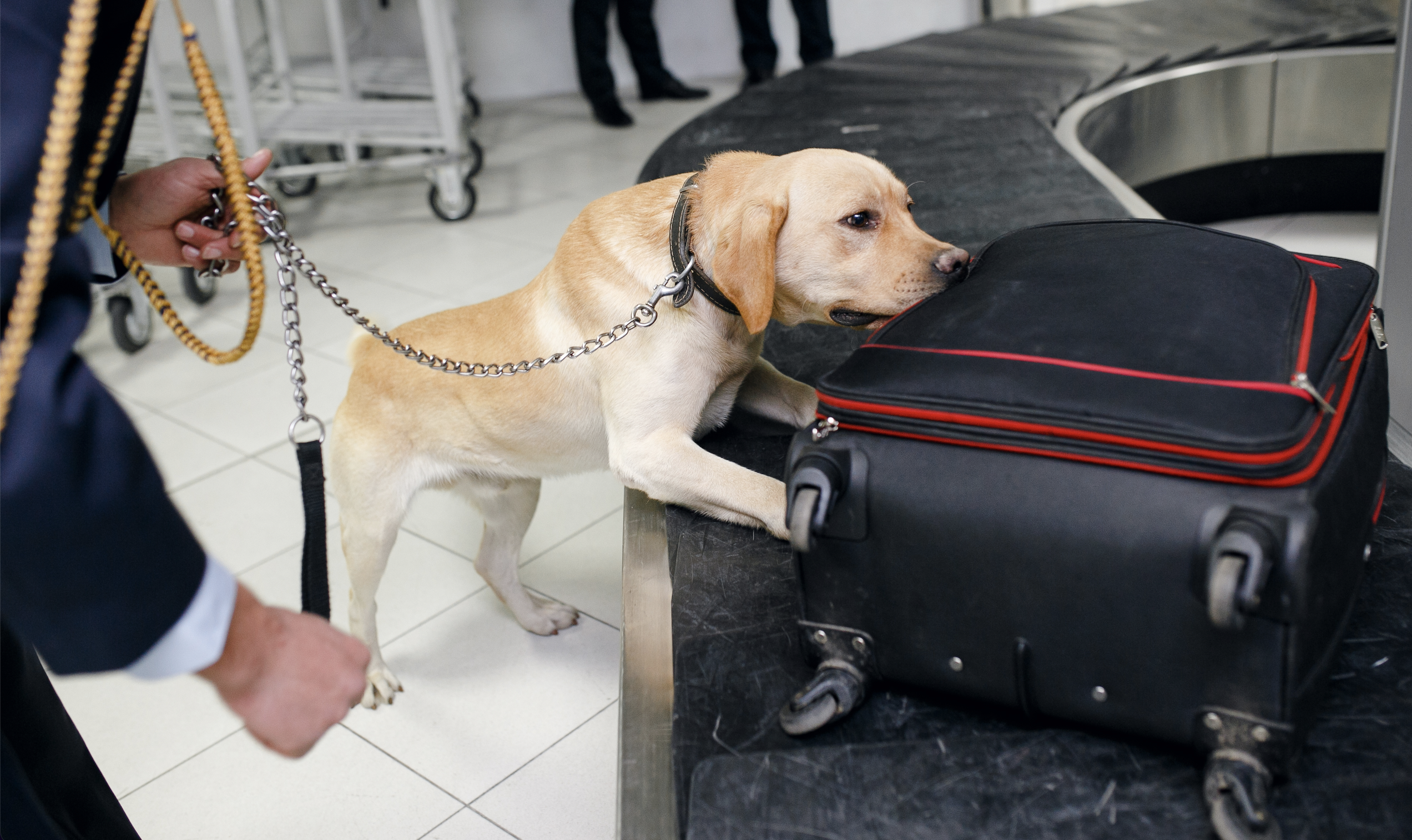
- Luggage searches: 100% pass rate (single blind) vs 88% (double blind)
Overall, teams were reported to be about 7 times more likely to pass under single-blind conditions than under double-blind conditions.
Importantly, many teams that failed an initial double-blind trial passed on a second attempt, suggesting that some deficits may be addressed relatively quickly by increasing exposure to double-blind testing during training and certification.
Handlers say it is harder, but more confidence-building
A follow-up survey of 20 handlers found that attitudes towards double-blind testing were generally positive. While handlers described double blind trials as more difficult, they also reported that these tests increase confidence, support improved training decisions, and better reflect operational reality.
Why this matters for real-world deployment
In operational searches, teams typically work under genuine uncertainty, there may be no target odour at all, or multiple hides in unexpected locations. The authors argue that double blind testing better mirrors those conditions and may therefore offer agencies a practical way to strengthen reliability, credibility, and overall operational readiness.
Take home message
The study adds weight to a growing body of forensic and applied behaviour research suggesting that more rigorous, bias-resistant testing conditions can change the picture of performance, even in experienced professional teams, and that routine double blind elements may help close that gap over time.
