


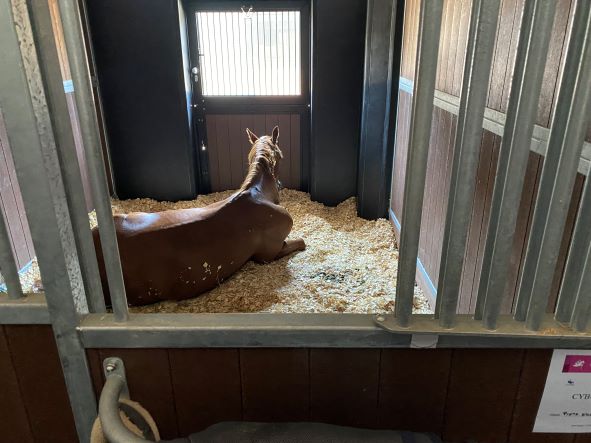
Box rest can be an important part of a horse’s recovery, but restricting movement and social contact can also affect their behaviour and welfare. A new toolkit from the British Equine Veterinary Association (BEVA) aims to help veterinary teams address both sides of that challenge.
Launched at BEVA Congress in September, the online Coping with Confinement Toolkit offers guidance for vets and veterinary nurses caring for horses that need box rest, restricted grazing or another period of confinement. It encourages them to create an individual plan that considers the horse’s clinical needs, usual routine and behaviour, as well as what the owner can manage in practice.
Planning for the individual horse
The toolkit takes users through the challenges confinement can present, areas of welfare to consider and the steps involved in making a plan with an owner. These include setting out what the restriction needs to achieve clinically, considering how the individual horse may respond and adapting the plan as circumstances change. It also includes a guide that veterinary teams can share with owners.
BEVA says the aim is to help veterinary professionals support horses’ behavioural wellbeing alongside their physical recovery. The toolkit was led by Imogen Burrows, who was BEVA President at its launch, with input from BEVA Council members and other equine specialists.
“Confinement can be necessary, but it can be difficult for both horses and the people caring for them,” Burrows said. BEVA hopes the resource will make those periods more manageable by helping veterinary teams and owners plan together.
Veterinary professionals can explore the Coping with Confinement Toolkit, while horse owners can read BEVA’s guide to making confinement as positive as possible and discuss suitable options with their vet.
