


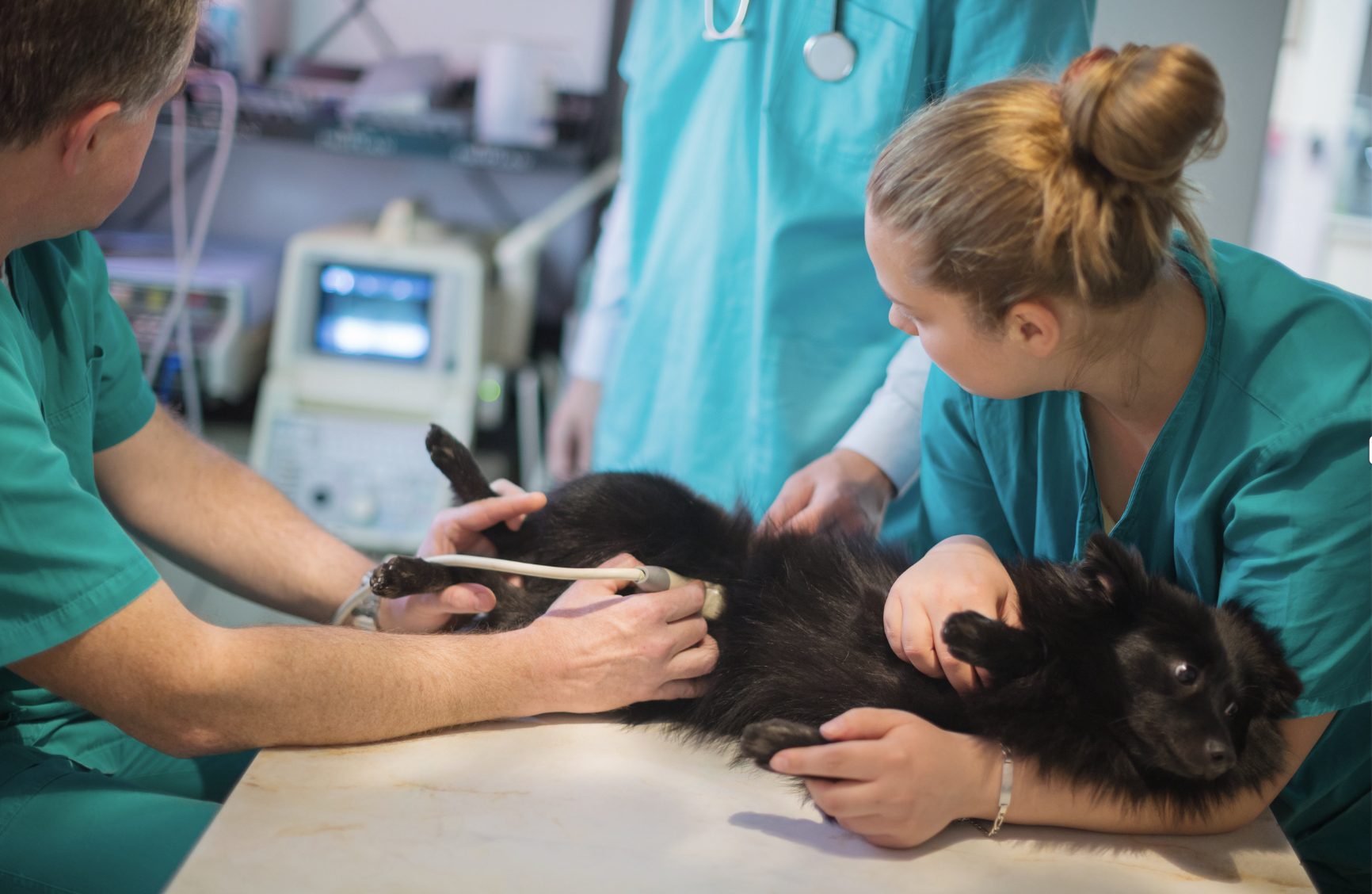
Almost one in five UK pet owners would struggle to pay an unexpected veterinary bill of more than £500, despite many emergency procedures costing several thousand pounds, according to new research from pet insurer Insure Your Paws.
The findings highlight the growing financial challenge facing pet owners as veterinary medicine continues to advance, bringing access to increasingly sophisticated diagnostics, surgery and specialist treatments, but often at a significant cost.
Emergency treatment can quickly exceed £3,000
Using claims data collected during 2023 and 2024, Insure Your Paws identified some of the most common emergency conditions affecting dogs and cats, alongside the average cost of treatment.
Among the most expensive procedures was surgery to repair a ruptured cruciate ligament in dogs, with an average insurance payout of £3,142. Surgical removal of swallowed foreign objects averaged £1,321, while many other emergency procedures, imaging investigations and hospital stays can also result in bills running into thousands of pounds.
The insurer found that the most common claims for dogs included:
- Gastrointestinal disease
- Cruciate ligament injuries and other knee conditions
- Pancreatitis
- Slipped intervertebral discs
- Foreign body ingestion
For cats, the most frequent claims related to:
- Urinary tract disease and obstruction
- Intestinal obstruction
- Road traffic accidents
- Pancreatitis
- Cholangitis and inflammatory bowel disease.
Many owners remain financially unprepared
The claims analysis was published alongside consumer research conducted by Opinium, which surveyed 1,000 UK dog and cat owners.
The survey found that 18% of owners would struggle to pay an unexpected veterinary bill exceeding £500. Earlier research commissioned by the insurer also found that fewer than one-third of uninsured owners had specifically set money aside for veterinary emergencies, with many saying they would instead rely on general savings, credit cards or even charitable support if faced with a large bill.
Insurance is one option, but planning ahead is key
Andrew Simpson, Head of Pet at Insure Your Paws, said:
“Behind each of these claims is a pet who is or was unwell, and an owner who simply wants the best for them. We’re lucky in the UK to have highly skilled vets who provide excellent care. However, treatment costs can quickly add up. Insurance is now as essential as any other part of responsible pet ownership, and we encourage people to consider taking out a policy as soon as they welcome a four-legged friend into their home, so they have financial support in place if the unexpected happens.”
While pet insurance can help spread the financial risk of unexpected illness or injury, it is not the only option. Some owners choose to build a dedicated emergency savings fund instead, although this may take time to accumulate and may not cover the cost of major surgery or prolonged treatment.
With advances in veterinary medicine making more conditions treatable than ever before, experts increasingly recommend that prospective owners consider how they would fund emergency care before bringing a new pet home, whether through comprehensive insurance, a dedicated savings account, or a combination of both.
