


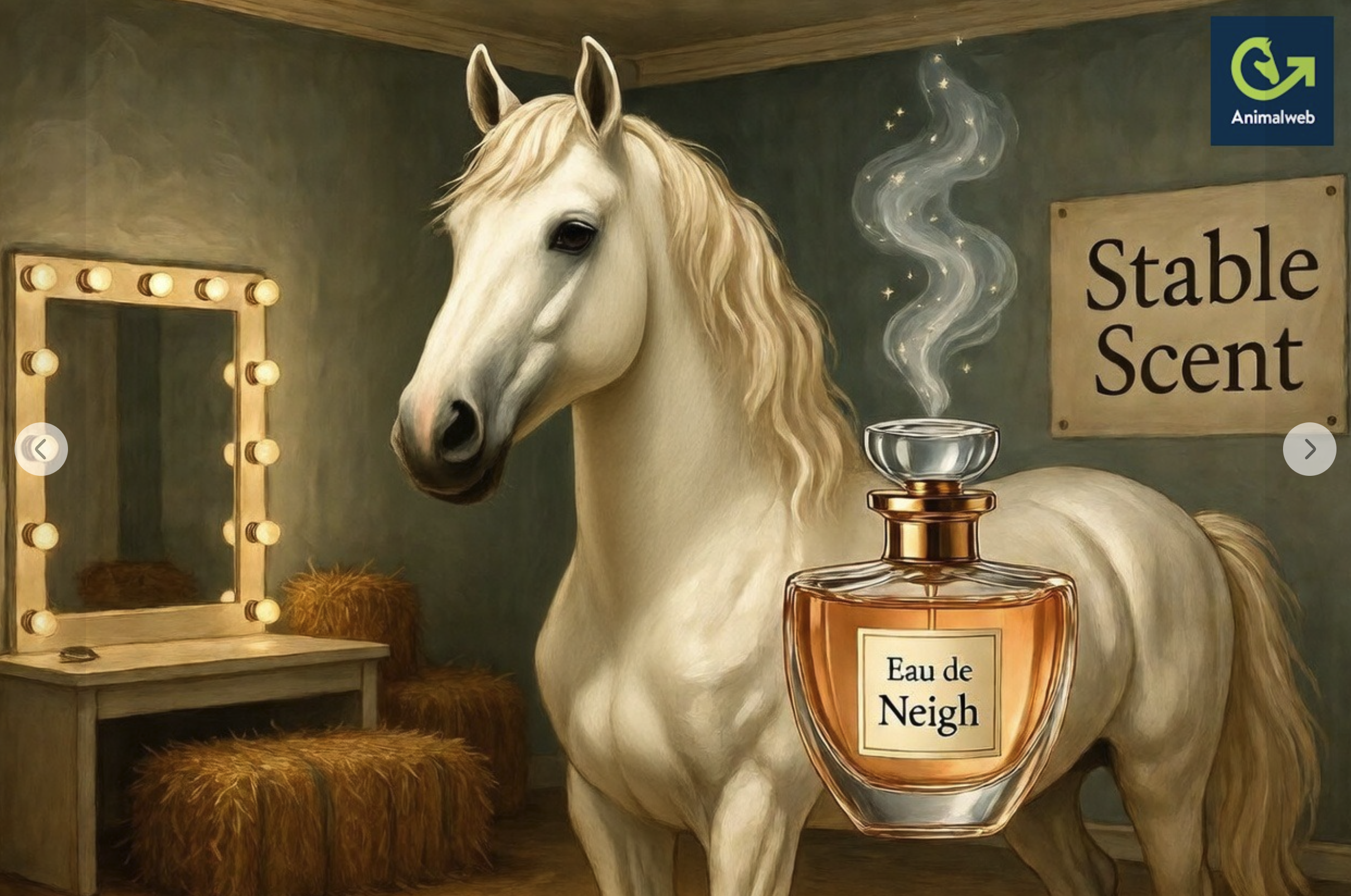
Many strange things are used in perfume…..
- Musk – from Musk deer glands
- Civet – from Civet cat anal glands
- Castoreum – from Beaver scent glands
- Beeswax – obviously from Bees
- Ambergris – Whale vomit
- Hyraceum – fossilised Hyrax urine and faeces
Horse urine isn’t routinely one of them and has never been a standard perfume ingredient, but a recent report has suggested that if you are buying fakes online which look like a bargain, you may get something containing substances close to home!
“Cosmetics and perfume, when we had some tested, have had horse urine in them, so you don’t want to be putting that on your skin,” said Helen Barnham, head of enforcement campaigns at the Intellectual Property Office (IPO).
This is where things get a little stranger though, para-cresol (p-cresol) is used in perfumes; think the smell of creosote. It’s used to create leather, chypre, farmyard, horse and, occasionally, “dirty” or “sensual” facets in perfumes – terms used in the perfume trade!
P-cresol is produced by industrial processes such as petrol refining and by large-scale chemical synthesis. BUT, p-cresol also occurs naturally in horse urine, sweat and manure!
So while the luxury perfume houses are still harvesting whale vomit and beaver butt-crack for their prestige blends, the counterfeit kings have upgraded to direct-from-the-source equine essence — straight from the horse’s… well, you know.
