


A major new UK report, Reconomics 3.0, has been launched at Westminster, setting out the scale of outdoor recreation’s impact on the economy, rural communities and national wellbeing. The report was commissioned by members of the Sport and Recreation Alliance’s Water Recreation and Outdoor Pursuits divisions, and produced in partnership with Leeds Beckett University.
Reconomics 3.0 argues that outdoor activity is not just a lifestyle benefit, it is a significant economic driver, particularly in rural areas, and a contributor to physical and mental health, social connection and engagement with the natural environment.
Headline findings
The report’s topline figures include:
- 34 million people taking part in outdoor recreation, including 1.9 million children, representing 3.1 million more participants than ten years ago
- Around 1 million jobs associated with outdoor recreation, with an estimated £22 billion annual contribution to the UK economy
- Around £5 billion in healthcare savings linked to outdoor participation and volunteering
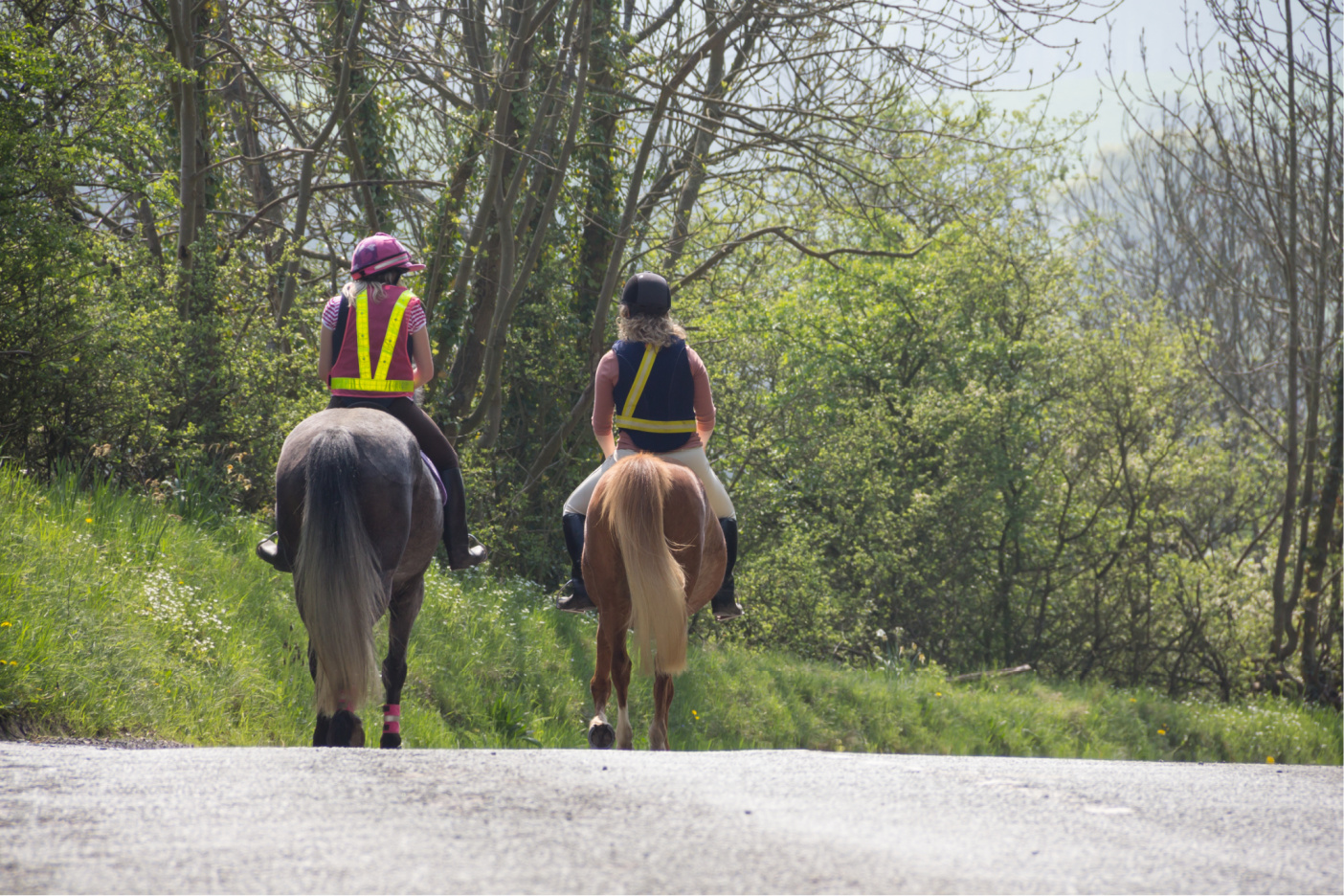
For the equestrian sector, the report highlights that close to £5 billion of the overall value is linked to horse-related activity, and that equestrian-related jobs are identified as the second biggest source of rural employment after farming.
Why this matters
For horse owners, riders and the wider equestrian community, the report provides clear evidence that horse-related activity is part of a much bigger picture, one that connects access to the outdoors with public health, community wellbeing and rural resilience. It also gives the sector stronger data to use in conversations about access, infrastructure and long-term support for outdoor participation.
You can read the Reconomics 3.0 summary and full report, and we have also linked to the British Horse Society’s coverage for additional context from the equestrian perspective. CLICK HERE.
