


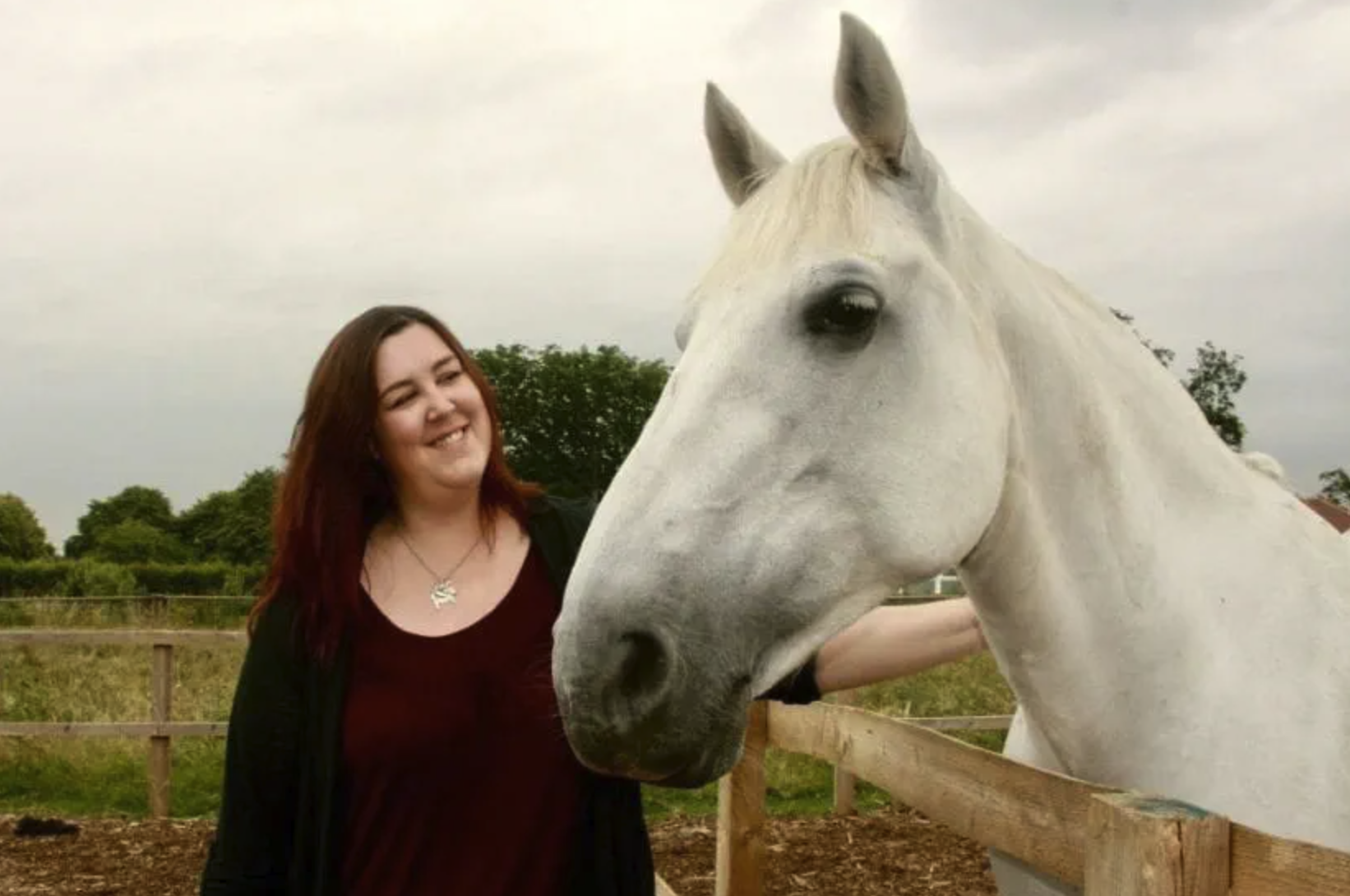
A new study from ARU Writtle has revealed that many people, including some experienced equestrians, find it difficult to recognise when a horse is in pain – a gap in understanding that could have serious implications for equine welfare.
Published in Anthrozoös, the research is the first to directly compare how accurately people identify pain in horses versus humans. One hundred participants were shown 30 photographs of human faces and 30 of horse faces, and asked to judge whether each showed signs of pain. Their answers were then compared with assessments from equine behaviour experts.
The results were striking. While most people could reliably detect pain in humans, their accuracy dropped significantly when assessing horses. Only those with extensive horse-care experience performed well, and they tended to notice subtle cues such as changes in ear position, muscle tension and eye shape – key indicators of discomfort that inexperienced handlers often miss.
The study also explored whether psychological traits affect pain recognition. Participants with higher levels of social anxiety were more accurate at spotting pain in human faces, but this did not translate to horses. In fact, they were more likely to judge horses as being in pain even when they weren’t.
Senior Lecturer Rosa Verwijs of ARU Writtle said the findings highlight an important welfare challenge. Horses, as prey animals, are adept at hiding pain, and owners may miss early signs until behaviour escalates. Improving public awareness and training could lead to faster veterinary intervention and better outcomes for horses.
Lead author Dr Nicola Gregory (Bournemouth University) added that this is the first study to quantify how well humans interpret equine pain, and the results underline the need for better education across the sector.
The research team hopes their findings will help shape training programmes for horse owners, students and equine professionals.
