


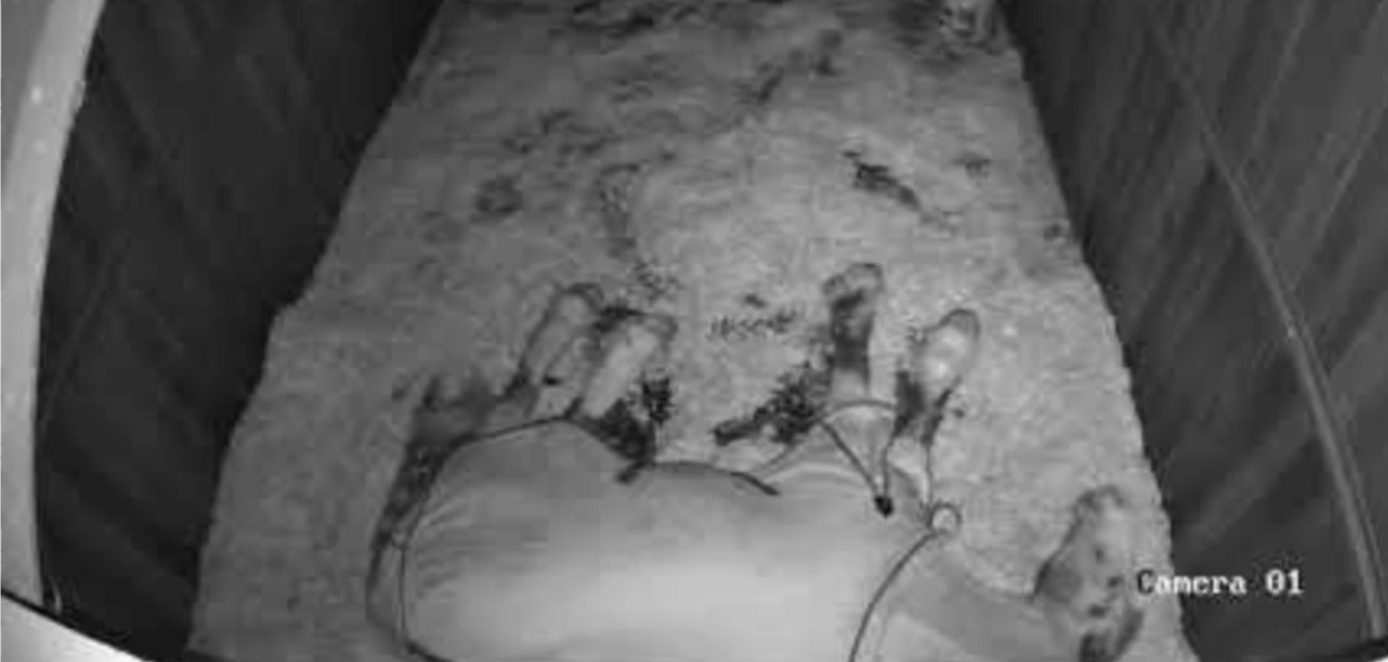
In this insightful and engaging webinar, Dr Linda Greening explores the science of equine sleep and what owners, vets, and yard managers can do to better support rest and recovery in horses.
From the basics of REM and non-REM sleep to practical, stable management strategies, Linda blends existing research with new findings from her latest studies. She explains how horses sleep, why they need to lie down, and how factors such as light, noise, bedding, temperature, and even rugging can significantly affect sleep quality and quantity.
You’ll hear about fascinating studies on:
- Bedding depth and its influence on REM sleep
- How red light compare to traditional lighting in stables
- The effect of routine, noise levels, and late-night checks
- Rug temperature and its correlation with recumbency
- Auditory aids, like classical and pink noise to encourage rest
- Emerging research on sleep disruption, memory consolidation, and even links to performance
If you’re serious about improving equine welfare, this is a must-watch session packed with practical ideas and take-home actions.
Key topics covered:
- Why all animals, including horses, need sleep – with examples from octopuses to whales
- How equine sleep differs from human sleep (polyphasic vs. monophasic)
- The stages of equine sleep and behaviours used to identify them
- The importance of REM sleep and the need for recumbency
- Risks of sleep deprivation in horses (including collapse)
- Sleep hygiene principles adapted for equine care:
- Routine – why stable schedules help
- Lighting – red vs. white light, and the risk of late-night disturbances
- Bedding – how depth impacts lying behaviour
- Rugging – new research on under-rug temperature and recumbency
- Sound – classical music vs. pink noise to encourage relaxation
- Exercise – links between sleep and jumping performance
- How technology may help improve future sleep analysis and welfare monitoring
- The need for species-specific design when considering stables and rest areas
MEMBERS CAN LOG IN TO WATCH

To read the rest and learn how this will help you, join us by clicking the banner below.

Already a member? Log in here
Join us now to view this article PLUS 1000s of
- tips
- articles
- videos
- money saving ideas
- reviews
- webinars
- podcasts
- news
And so much more!
Science backed horse care at your fingertips - dip in for information when you need science to help you care for your horse.
Transcription
Here is a transcription of the webinar. (Please note this is an automated transcription, so we apologise for any errors.)
Here’s a cleaned-up version of the transcript with all timestamps and speaker names (like “Helen Stock” or “Heather”) removed, keeping the content intact and readable:
