


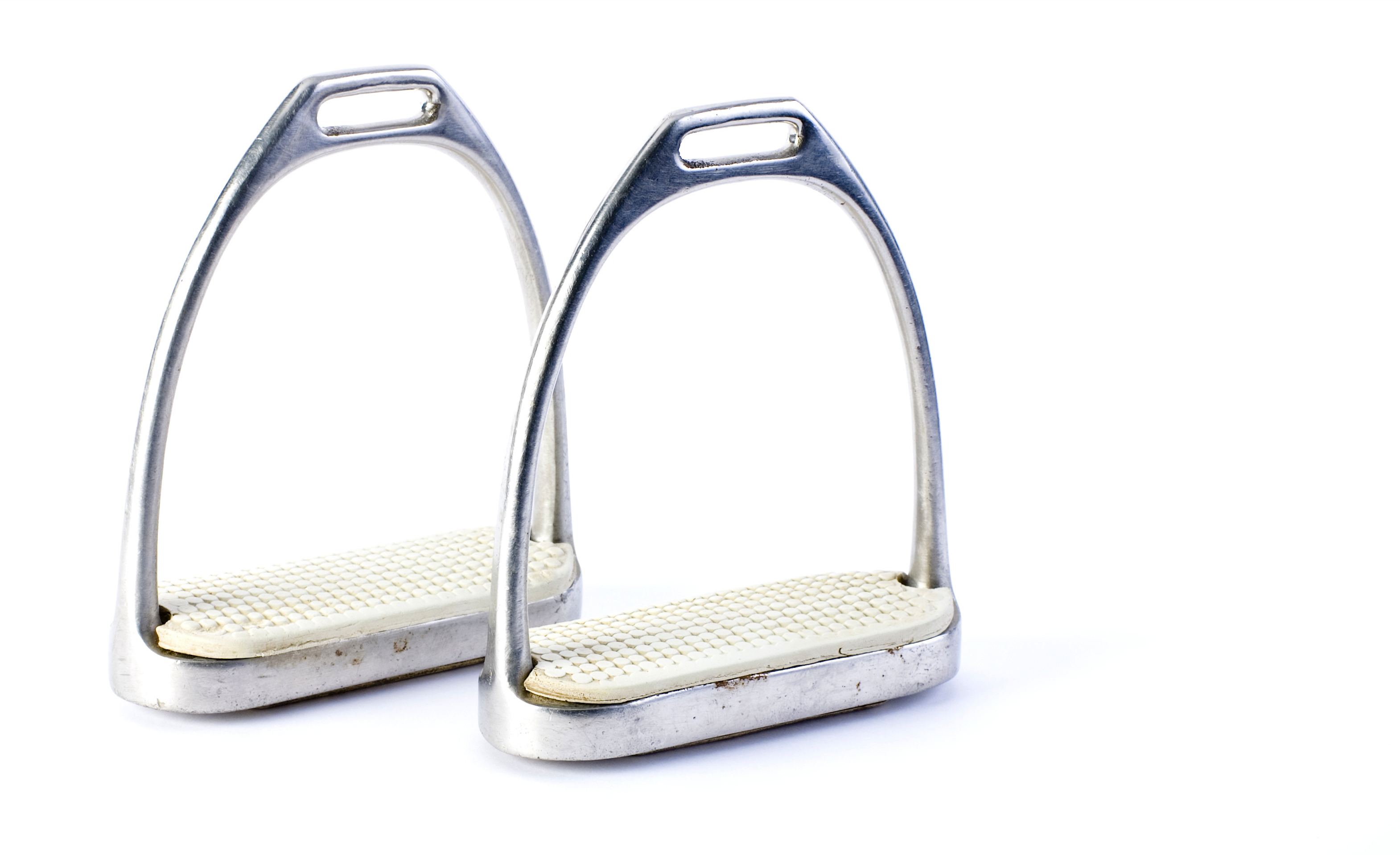
In this podcast, Dr David Marlin discusses the various aspects of stirrups in equestrian riding, including their historical significance, safety concerns, rider asymmetry, and the forces exerted on horses. David emphasizes the importance of stirrup design, the impact of rider position, and the need for further research in this area.
takeaways
- Stirrups play a crucial role in mounting and stability.
- There are over 429 patents related to stirrups.
- Safety stirrups may reduce injury severity during falls.
- Rider comfort and stability are key factors in stirrup choice.
- Asymmetry in riders can affect performance and horse health.
- Forces in the saddle can be significantly higher than expected.
- Expensive stirrups may not offer additional benefits.
- Proper footwear is essential for safety while riding.
- Research on stirrup design is still ongoing and necessary.
- Alternating between sitting and standing may benefit the horse’s back.
CLICK here to head over to the main Podcast page to see the complete list of podcasts available.
Transcription
Here is a transcription of the podcast. (Please note this is an automated transcription, so we apologise for any errors from the original podcast.)
Hi, in this podcast we’re going to be talking about stirrups. The reason for this discussion is that a recent post generated some really interesting questions. Stirrups serve multiple roles—they assist with mounting, help in applying leg aids, provide stability, support proper positioning in the saddle, and are essential for movements like rising trot and jumping.
The history of stirrups is not precisely known, but there are examples from India dating back to around 500 to 200 years BC. Today, there is a wide variety of stirrups available, with many companies marketing different designs and features, including claims of shock absorption. However, given that the human knee is an excellent natural shock absorber, the effectiveness of these claims is debatable.
Research into stirrups is somewhat limited compared to saddles. There are around 429 patents related to stirrups, whereas saddle-related patents number in the thousands. This podcast will explore various aspects of stirrup use, including choice of length, safety considerations, and effectiveness of different designs.
Stirrup Length and Rider Choice
A study conducted with lecturers at Malton College examined factors influencing stirrup length selection. Over 2,000 riders participated, with 97% being female and 8% being para equestrians. Most respondents were dressage riders, followed by show jumpers and eventers. The primary factors influencing stirrup length choice were feel when mounted, rider stability, and comfort. Horse temperament played a lesser role in the decision-making process.
Safety Considerations
A second survey examined the role of stirrups in falls. In 78% of cases, the rider’s feet released from the stirrups immediately, but in around 4-5% of cases, the stirrup did not release, leading to potential injuries. Of the injuries sustained, 55% affected the lower body, including the thigh, knee, ankle, and toes, with 8% suffering severe foot injuries.
To mitigate injury risks, several recommendations emerged:
- Wear proper riding boots, not trainers.
- Use caged stirrups to prevent feet from slipping through.
- Consider safety stirrups, though more research is needed on their effectiveness.
- Ensure stirrups are the correct size, allowing sufficient clearance between the foot and the stirrup.
Effect of Stirrup Design on Riding
A study comparing conventional stirrups, flexible stirrups, and stirrups set at a 90-degree angle used pressure mats and force sensors to measure forces exerted by riders. The results showed minimal impact on rider position or forces experienced, suggesting that the primary source of shock absorption occurs in the knee rather than the stirrup itself.
Another study examined stirrup length choice among novice and experienced riders. Advanced riders consistently selected the same stirrup length on both mechanical and live horses, whereas novices chose less optimal lengths on mechanical horses but improved on live horses. Rider asymmetry was also noted, influenced by factors such as anatomical differences, dominant hand or foot, and tack symmetry.
Impact of Rider and Horse Asymmetry
Research has shown that asymmetry in the rider can affect horse movement. A study where one stirrup was adjusted by five centimetres found significant effects on rider balance, which in turn influenced the horse’s movement. Asymmetry is particularly relevant in endurance riding, as excessive asymmetry in trot can lead to horses being vetted out of competitions.
A study on endurance horses found that those eliminated for metabolic reasons showed increasing asymmetry as the ride progressed, with horses eliminated for lameness demonstrating nearly 40% asymmetry by the end of the competition. Horses eliminated for metabolic issues exhibited even higher levels of asymmetry.
Forces in the Saddle
The force exerted on a horse’s back varies depending on gait and rider movement. At rising trot, peak forces can be 2.5 times higher than those in sitting trot. During jumping, stirrup forces increase dramatically, particularly on landing, where one stirrup may bear three to four times the force experienced during approach.
A study of 20 preliminary dressage riders using a mechanical horse found no left-right difference in stirrup forces. However, when these riders rode real horses, the horses exhibited a natural left bias, suggesting that the horse’s asymmetry can influence the rider more than the other way around.
Conclusion
Further research on stirrups is essential, particularly regarding their impact on safety, performance, and horse welfare. Current findings suggest that expensive stirrups may not offer significant advantages over standard models. Additionally, safety stirrups likely reduce injury risk, though their effectiveness varies by design. Footwear, stirrup clearance, and rider awareness remain key factors in preventing accidents.
With rising trot generating forces similar to galloping or jumping, alternating between sitting and standing positions may be beneficial for both rider and horse. Future research will focus on refining our understanding of stirrup-related biomechanics and safety improvements.
Look out for upcoming studies that will delve deeper into these findings and provide further guidance on optimising stirrup use for both safety and performance.
