


Last Thursday, I had the privilege of attending the 34th National Equine Forum in Westminster, one of the most important gatherings in the UK equestrian calendar. Bringing together leaders from across the equine sector, the Forum provides a rare opportunity for open discussion about the challenges and opportunities facing the industry.
It was a fantastic day of insight, discussion and debate, and Animalweb were incredibly grateful to be there in person, listening to world-leading experts and contributing to the wider conversations shaping the future of the equestrian industry.
The National Equine Forum has always been known for tackling the big issues affecting horses and those who work with them, and this year’s programme certainly delivered. Topics ranged from climate change and disease threats to veterinary practices, artificial intelligence and the economic pressures facing equestrian businesses.
The Equine Industry in a Changing World
The morning began with a session exploring how the equine industry must adapt in an increasingly complex and changing world. Speakers included Baroness Hayman of Ullock from Defra, Dr June Fanning, Chief Veterinary Officer for Ireland, and Dr Katie Williams from Dengie Horse Feeds.
Dr June Fanning provided a powerful overview of the work underway in Ireland to improve horse traceability and welfare following the social media crisis that exposed serious welfare concerns at an Irish abattoir. The progress being made in strengthening traceability systems and improving oversight across the sector was both impressive and encouraging.
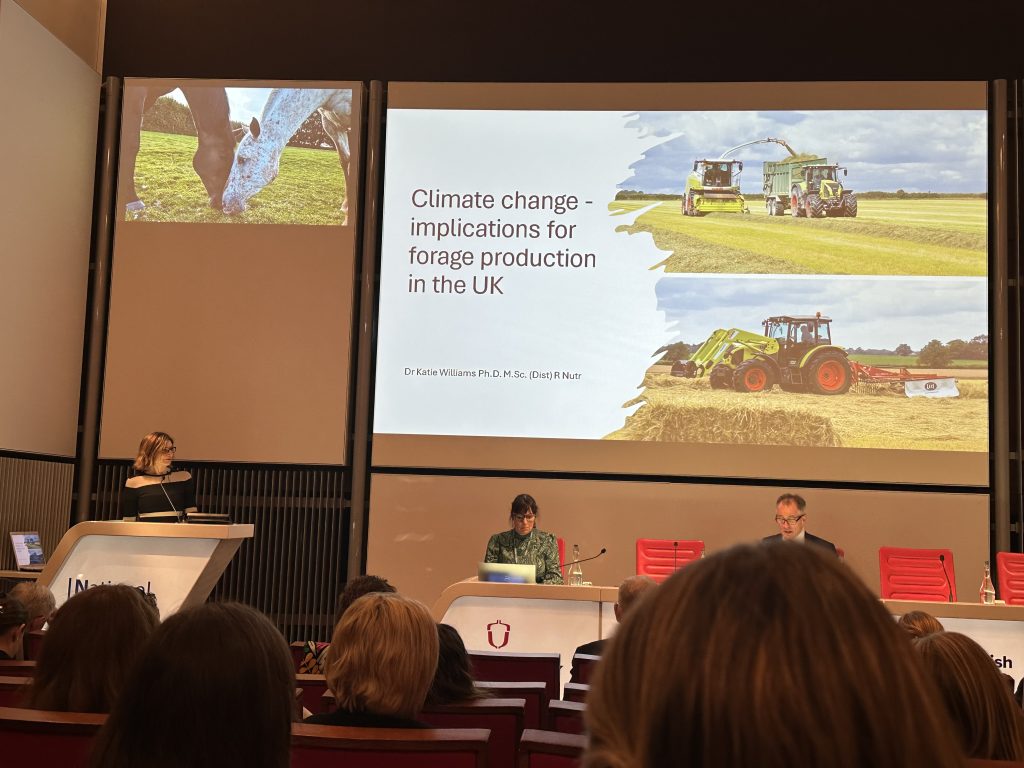
Dr Katie Williams delivered a particularly timely presentation on climate change and what it could mean for forage production in the years ahead. Her talk sparked a great deal of conversation among delegates, highlighting how changing weather patterns, extreme conditions and pressures on land use could affect the availability and cost of forage for horse owners. Katie also kindly referenced Animalweb’s current hay availability poll during her presentation, which was great to hear mentioned as part of such an important discussion.
Modern Vettings and Emerging Health Threats
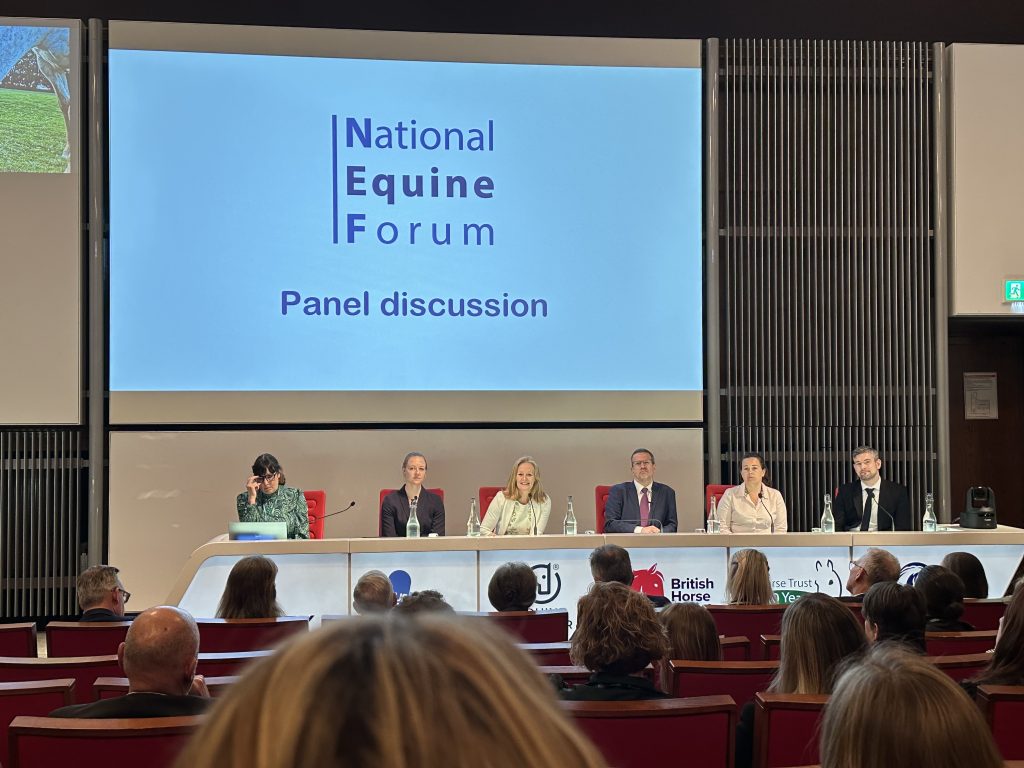
Later sessions turned attention to veterinary practices and equine health risks. The panel discussion on modern vetting examined what the new Seller’s Declaration could mean for both purchasers and veterinary professionals, providing valuable insight into how buying and selling horses need to evolve.
Another important session focused on disease threats and equine health conditions that the industry cannot afford to ignore. With increasing global movement of horses and growing concern around antimicrobial resistance, the speakers emphasised the importance of vigilance, research and international collaboration.
Artificial Intelligence and the Future of Equine Care
The afternoon session explored the rapidly growing role of artificial intelligence within veterinary medicine and equine welfare.
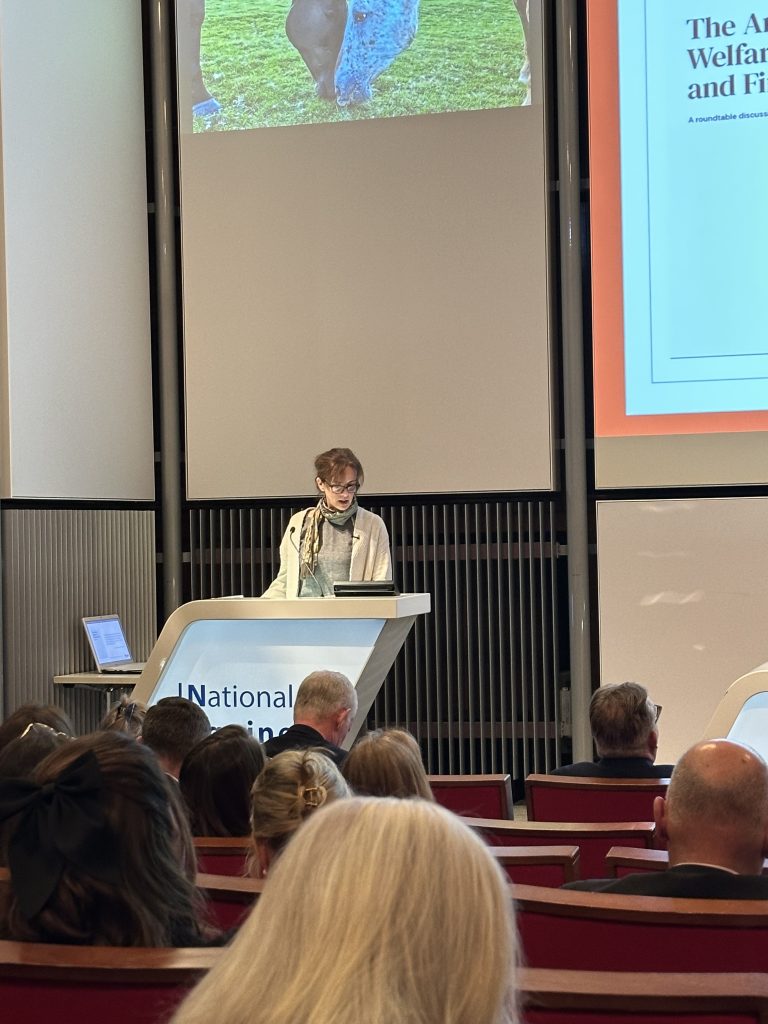
While AI is often discussed as a future technology, the presentations made it clear that it is already beginning to influence clinical decision-making, diagnostics and welfare monitoring. The speakers highlighted both the potential benefits and the limitations of AI, emphasising that technology should support, rather than replace, veterinary expertise.
Bite-Sized Insights from Across the Industry
One of the most engaging parts of the afternoon was the series of short “bite-sized” presentations covering a range of current issues across the equine sector.
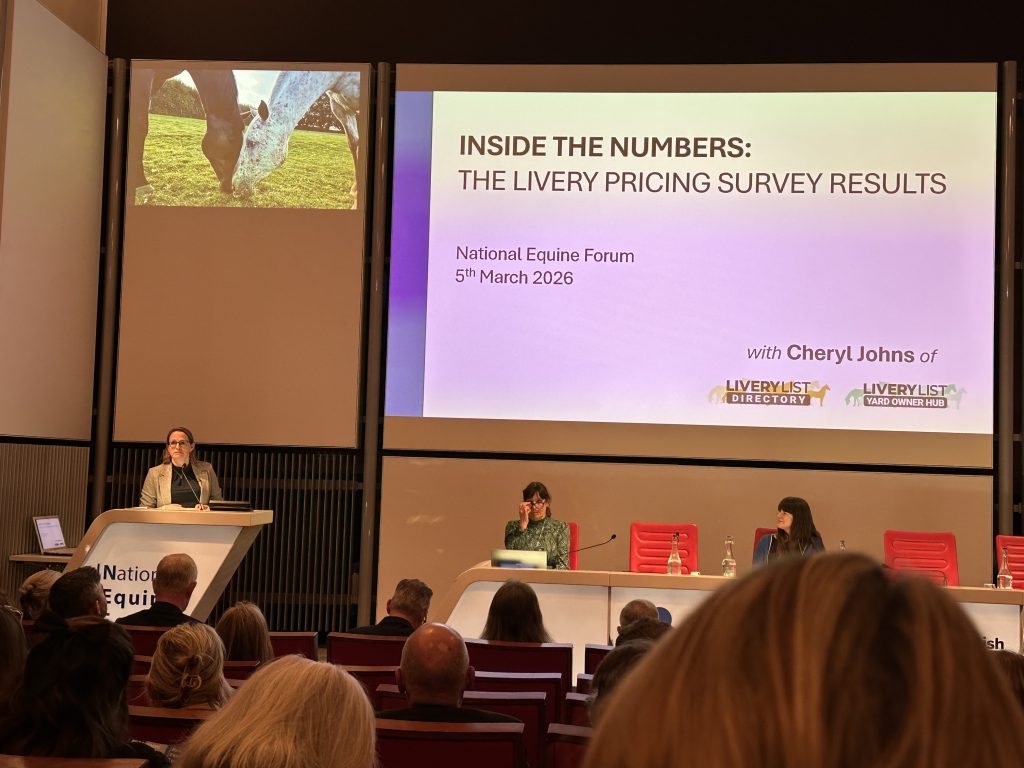
Among the speakers was Cheryl Johns, founder of LiveryList and the Yard Owner Hub, who shared findings from the LiveryList Livery Pricing Survey. The results revealed the stark financial realities facing many yard owners, with rising costs placing enormous pressure on these small businesses. It reinforced just how challenging it can be for yards to remain financially viable while maintaining high standards of horse care.
Cheryl’s presentation also highlighted why initiatives such as YardWise are becoming increasingly important in supporting yard professionals with the knowledge, business skills and networks they need to survive in a demanding industry.
Helen Whitelegg from Redwings Horse Sanctuary also spoke about the charity’s ongoing F-word campaign, addressing the impact fireworks can have on horses and other animals, raising awareness of an issue many horse owners will recognise.
The Memorial Lecture and Sir Colin Spedding Award
The day concluded with the Memorial Lecture delivered by Professor Chris Riggs, who shared insights from his work improving veterinary education and equine welfare in China. His lecture provided a fascinating perspective on how equestrian culture and veterinary care are evolving internationally.
Professor Riggs was also presented with the Sir Colin Spedding Award, recognising his long-standing contribution to improving equine welfare worldwide.
The day concluded with reflections from HRH The Princess Royal, President of the National Equine Forum, who drew together the many themes discussed throughout the day. Highlighting the breadth of topics, from climate pressures and veterinary challenges to welfare and emerging technologies, she emphasised the importance of continued collaboration across the equine sector.
A Valuable Day for the Industry
The National Equine Forum continues to provide a vital platform for open discussion about the issues affecting horses and the people who care for them. From climate and forage supply to veterinary practice, welfare and technology, the breadth of topics covered demonstrated just how complex and interconnected the equine industry has become.
It was a privilege to be there, to listen to such knowledgeable speakers and to spend time catching up with colleagues and friends from across the sector.
Helen Stock attended the 2026 National Equine Forum in Westminster on behalf of Animalweb. This article is her report and reflections from the day.
