


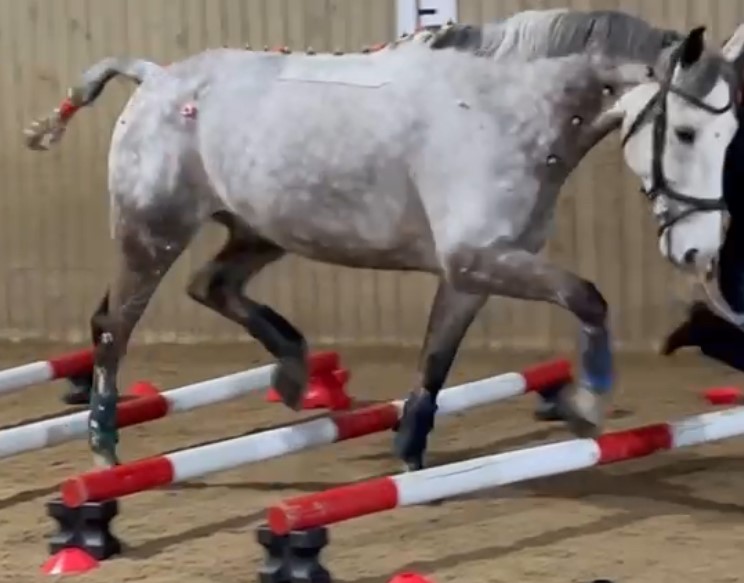
Polework is one of the most widely used training and rehabilitation tools in the equestrian world. Yet, surprisingly little research has examined how riders, trainers, and therapists use poles in day-to-day practice. A new international study aims to change that, and the research team are calling on the Animalweb community to take part.
A group of leading equine scientists, Dr Vicki Walker, Dr Russell MacKechnie-Guire, Professor Hilary Clayton, Dr Jo Winfield, Professor Jane Williams and Dr Rachel Murray, have launched a global survey to understand better current polework methods, frequency of use, training aims, and the variations seen across disciplines and countries.
The team hope the results will help shape future research, improve education around polework exercises, and support evidence-based training and rehabilitation strategies.
Who can take part?
Anyone aged 18 or over who:
- owns, rides, trains or treats horses,
- uses polework in any form,
- and can answer questions about one specific horse.
What does the survey involve?
The questionnaire takes less than 10 minutes and asks about:
- your background and training experience
- how and why you use polework
- the types of pole arrangements you choose
- how often you include polework in a session
Clear definitions and images are provided throughout to ensure consistency. No personal or identifying data is collected.
This project has been approved by the Hartpury University Research Ethics Committee (Ref: 2025-149).
Why your input matters
Polework is used for everything from improving suppleness and balance to targeted rehabilitation. Yet, without robust data on what owners and professionals are currently doing, researchers cannot fully understand its benefits, limitations or risks.
By sharing your practices, you’ll be contributing to a stronger scientific foundation for polework training, helping shape future guidance that supports horse welfare and performance.
Click here to take the survey.
Thank you for supporting equine science and evidence-based training.
