


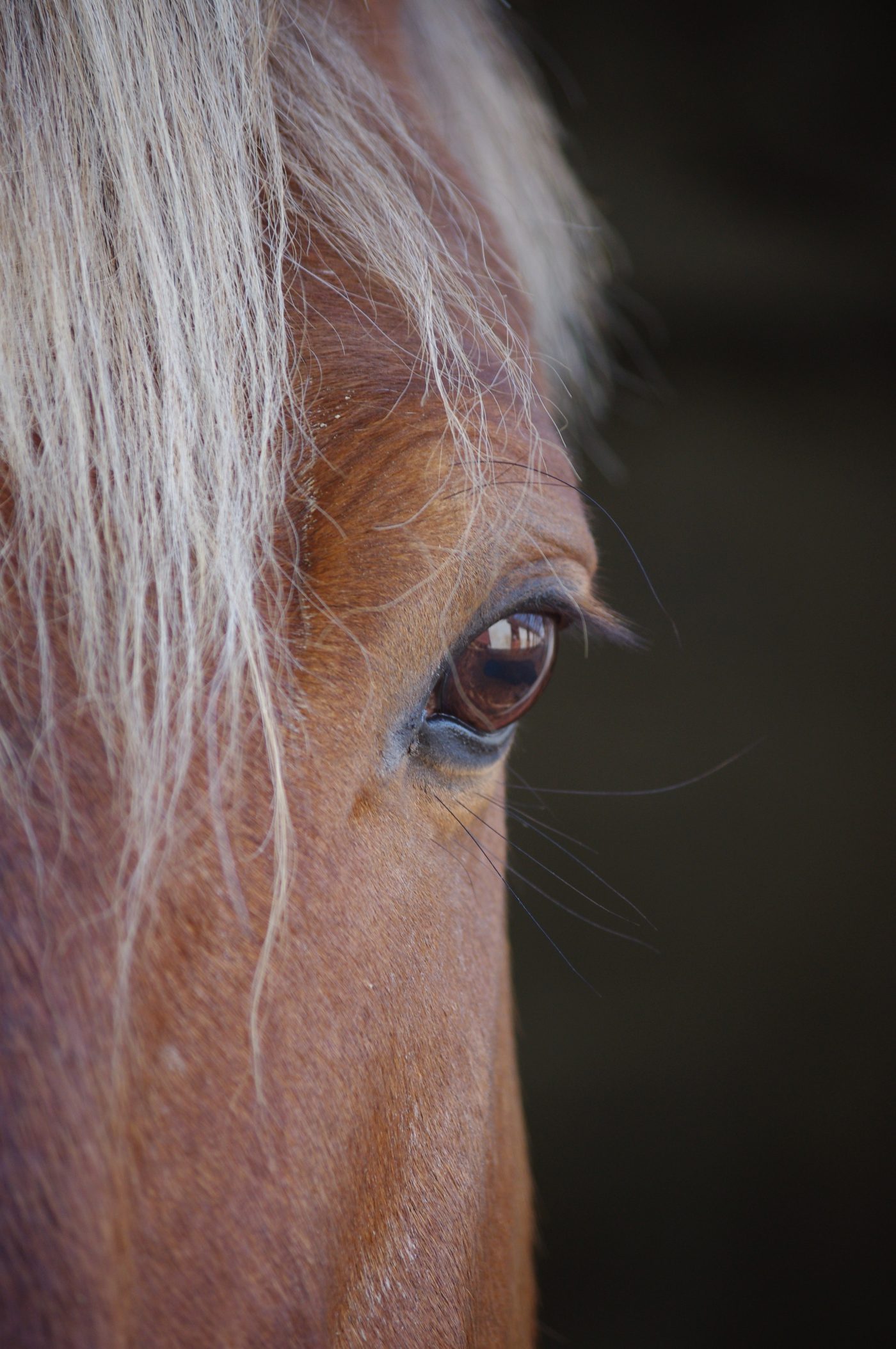
In a landmark moment for animal rights, Mexico has officially enshrined animal welfare into its national constitution. On December 2, Mexican President Claudia Sheinbaum signed a set of constitutional reforms that pave the way for a comprehensive federal animal welfare law. This is the first time nonhuman animals have been mentioned in the Mexican Constitution, signaling a significant shift in the country’s approach to animal rights and welfare.
A Victory for Animal Advocacy
The reforms are the result of years of campaigning by animal advocacy organizations, including Igualdad Animal Mexico, Humane Society International/Mexico (HSI/Mexico), and Movimiento Consciencia. Dulce Ramirez, executive director of Animal Equality Mexico, described the changes as “huge,” noting that they mark a turning point in addressing pervasive animal cruelty and confinement within Mexico’s expanding meat industry.
Globally, few countries include animals in their constitutions, making Mexico’s reforms a standout achievement. Kristen Stilt, faculty director at Harvard Law School’s Animal Law and Policy Program, highlighted the uniqueness of Mexico’s approach: “It’s longer, it’s more specific. It’s in several provisions. It’s not just a general statement.”
What the Reforms Include
The reforms amend three key articles of Mexico’s Constitution, with significant implications for animal welfare:
- Article 73: Grants the federal government the authority to legislate on animal welfare and protection, moving away from the inconsistent state-level laws that have been in place.
- Article 4: Prohibits mistreatment of animals and directs the state to guarantee their protection, adequate treatment, conservation, and care.
- Additional amendments establish the groundwork for future federal laws that will include all animals, from pets to farmed and wild animals.
These changes aim to provide comprehensive protections, including for farmed animals, which are often excluded from welfare laws globally.
Challenges Ahead
Mexico’s agricultural industry is among the largest producers of beef, chicken, pork, dairy, and eggs in the world. As such, there are concerns about the influence of business interests on the development of these new federal laws. Antón Aguilar, executive director of HSI/Mexico, noted the challenges ahead: “The question now is what changes the constitutional reforms will really bring to animal law in Mexico, and how effective they will be.”
A Global Impact
The reforms set an important precedent for Latin America, where a growing animal rights movement is gaining traction. Experts believe Mexico’s actions could inspire similar reforms in neighboring countries, potentially elevating the status of animals across the region.
What’s Next?
The reforms are a significant milestone, but the work is far from over. Animal advocates and policymakers must ensure the new laws are comprehensive and enforceable, covering all animals and addressing cruelty in industries like intensive animal agriculture.
For now, Mexico’s inclusion of animal welfare in its constitution is a hopeful step forward—one that underscores the interconnectedness of human and animal welfare and signals a future where animals’ rights are better protected.
