


To make sure your horse’s pasture is as nutritious as possible, it all starts with healthy soil. Properly managed soil can provide essential nutrients for rich, high-quality grass, giving your horse what it needs to thrive. In this article, we’ll cover the basics of maintaining a healthy pasture, including aeration, natural fertilisers, and supporting beneficial soil bacteria. With these steps, you can help your pasture reach its full potential for a healthier, more sustainable grazing environment.
The key is to optimise your soil fertility, which includes the soil’s physical properties, chemical content, and biological life, but don’t worry, we’ll talk you through how!
Why you need to aerate your paddocks
Roots need room to grow. The greater the surface area of the root, the greater the potential of absorption of nutrients by the plant. There is, therefore, a significant benefit in enabling root expansion. When you consider the average horse’s weight is more than 350kg, it’s not surprising that your pasture gets compacted over time and your roots potentially compromised. Aeration helps reincorporate oxygen into your soil, it breaks down any surface ‘seal’ that may be present and improves both physical structure and growth potential. Aeration should be completed at least once a year, preferably twice, to maximise your grazing season. Once in the autumn to help the land recover from grazing and in preparation for winter, and once in late winter/early spring to help the land recover from winter and promote early spring growth.
Why add fertiliser?
You then need to consider providing the nutrients needed to maximise the growth of your roots and, hence, top growth. Synthetic fertilisers typically contain 1-3 nutrients that influence rapid grass growth. Fertilising with just a small number of nutrients will not result in grass containing the wide range of nutrients that your horse requires, and this feast-or-famine approach to grass growth can damage your horse’s health. How can nutrients be present in the plant if they are not present in the soil or fertiliser? Natural fertilisers have the potential to contain all the nutrients that your horse requires.
Seaweed contains a wealth of essential trace elements and bioactive substances and is renowned for increasing the width and depth of roots and, hence, the surface area of which nutrients are absorbed. As the roots go deeper, they also have greater access to water reserves, helping protect the plant against drought.
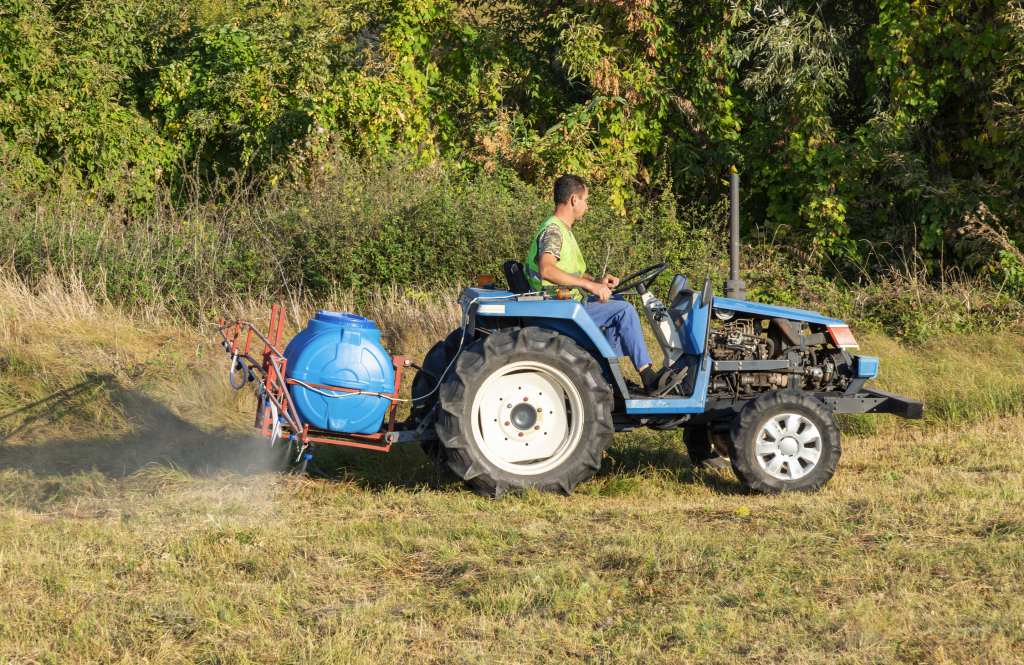
Which fertiliser is best for your horse’s paddocks?
Seaweed also contains bioactive substances. These include plant hormones, vitamins, enzymes, and antioxidants that help the seaweed plant withstand tidal waters. When seaweed is applied to a plant it is able to utilise these to help manage its own environmental stresses and to resist pests. Evidence has shown that the nutrients within the seaweed are transferred into the plant within 10 days of application.
Plus, seaweed is vegan and a natural substance for your horse to ingest, unlike many other fertilisers and slurry-based products.
The job of your soil bacteria
This brings us to the third part of our equation, soil biology. On the whole plants are static, they remain anchored in the soil and can only absorb nutrients that are in direct contact with the roots or leaves. Natural soil bacteria, naked to the human eye, form underground transport routes conveying nutrients to the plant that the plant cannot reach on its own. They convert inaccessible nutrients into plant-accessible forms and manufacture hormones for the plant to use.
Nitrogen is a major element required to support plant growth, which is why so many synthetic fertilisers include chemical nitrogen. Air contains 78% nitrogen, unfortunately plants cannot access this nitrogen on their own. Mutualistic bacteria absorb biological nitrogen from the atmosphere as a steady, continual supply, rather than the feast or famine of synthetics, minimising that sudden flush of growth that is detrimental to your horse’s health.
The natural nutrients within seaweed promote a pasture with a higher leaf-to-stem ratio and a thicker sward. This is preferable for your horse’s gut health than hard-to-digest stalks.
Many landowners and pasture management gurus have been reaping the rewards of applying seaweed to their land since the 1960’s. With the right type of seaweed fertiliser there is no withhold period following treatment, so if turnout is at a premium, it is safe to let your horse out the same day!
Video of bacteria working in the soil to improve pasture grass
When there are lots of healthy bacteria present, it breaks the nutrients down in the soil so the roots can absorb them!

This article was written by Diane Meakin, the resident scientist at Edwards Seaweed Fertiliser, UK. Diane has a BSc (Hons) in Food and Nutrition and a keen understanding of the synergistic relationship between plants, bacteria and nutrients”.
Edwards’ Seaweed Fertiliser UK is a supplier of natural seaweed products for commercial and domestic application. Using seaweed harvested sustainably from UK waters, their chemical-free products are made from a unique blend to enhance plant and soil health.
For more information, visit ukseaweedfertiliser.co.uk, or contact them on 01584 711635 or email sales@ukseaweedfertiliser.co.uk.
