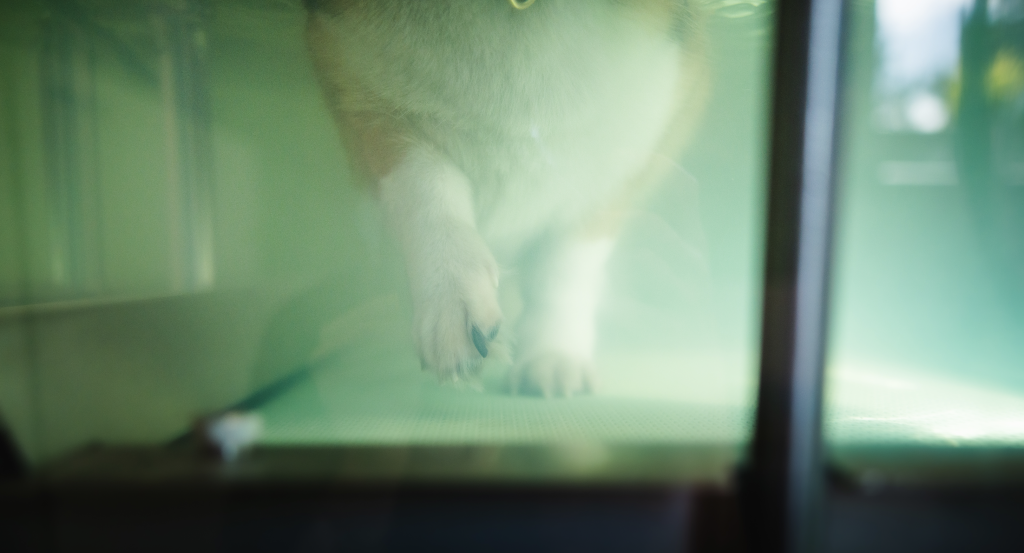
Canine hydrotherapy is a therapeutic treatment for dogs that involves the use of water to help relieve pain, improve mobility, and enhance overall physical health. This type of therapy takes advantage of the buoyancy, resistance, and heat from the water to create a low-impact environment for exercise and rehabilitation.
Types of Canine Hydrotherapy
- Underwater Treadmills: Dogs walk on a treadmill submerged in water, where speed and depth and be adjusted
- Swimming Pools: Dogs swim in a controlled environment, often with a therapist guiding them.

Benefits of Canine Hydrotherapy
- Pain Relief: the warm water can help soothe muscles and joints, reducing pain and discomfort.
- Low-Impact Exercise: the water supports the dog’s weight, reducing stress on the joints and allowing for safer exercise.
- Improved Mobility: the resistance of the water helps build muscle strength and improve range of motion.
- Enhanced Circulation: the water can improve blood circulation, promoting healing and reducing swelling.
- Weight Management: the buoyancy of the water allows dogs to exercise more comfortably, aiding in weight loss.
Canine hydrotherapy can help with a variety of conditions, offering therapeutic benefits for dogs suffering from orthopedic, neurological, and weight-related issues. Here are some of the primary conditions that can benefit from canine hydrotherapy.
Orthopaedic Conditions
- Arthritis: Hydrotherapy can reduce pain and inflammation in arthritic joints, improve mobility, and enhance the quality of life.
- Hip Dysplasia: The buoyancy of the water reduces stress on the hip joints, making it easier for dogs to exercise and strengthen the muscles around the hip.
- Elbow Dysplasia: Similar to hip dysplasia, hydrotherapy can help alleviate pain and improve joint function.
- Cruciate Ligament Injuries: Post-surgery or as a conservative treatment, hydrotherapy helps strengthen the muscles around the knee and improve joint stability.
- Fractures: After bone fractures have healed, hydrotherapy aids in restoring strength and function without putting excessive pressure on the healing bone.
Neurological Conditions
- Intervertebral Disc Disease (IVDD): Hydrotherapy can help dogs regain mobility and strength following IVDD surgery or as part of a non-surgical treatment plan.
- Degenerative Myelopathy: While there is no cure for this progressive disease, hydrotherapy can help maintain muscle strength and prolong mobility.
- Nerve Injuries: For dogs recovering from nerve injuries, hydrotherapy provides a safe environment to regain movement and strength.

Post-Surgical Rehabilitation
- Orthopedic Surgeries: After surgeries such as hip replacements or TPLO, hydrotherapy helps with pain management, reduces swelling, and improves range of motion.
- Soft Tissue Surgeries: Following surgeries on tendons or ligaments, hydrotherapy aids in the recovery process by promoting healing and preventing muscle atrophy.
Weight Management and General Fitness
- Obesity: For overweight dogs, hydrotherapy provides a low-impact way to exercise, burn calories, and build muscle, reducing the risk of joint strain or injury.
- Fitness Maintenance: Hydrotherapy helps maintain the fitness of active or working dogs, ensuring they stay in peak condition.
Other Conditions
- Senior Dogs: Older dogs often suffer from a range of age-related issues, including decreased mobility and muscle weakness. Hydrotherapy can help keep them active and comfortable.
- Muscle Atrophy: Dogs that have been immobile due to injury or illness can use hydrotherapy to rebuild muscle mass and strength.
- Chronic Pain: Conditions that cause chronic pain, such as fibromyalgia or chronic joint pain, can be alleviated through the soothing properties of warm water and gentle exercise.
By providing a controlled and supportive environment, canine hydrotherapy allows for effective rehabilitation and management of these conditions, enhancing the overall well-being and quality of life for affected dogs.