


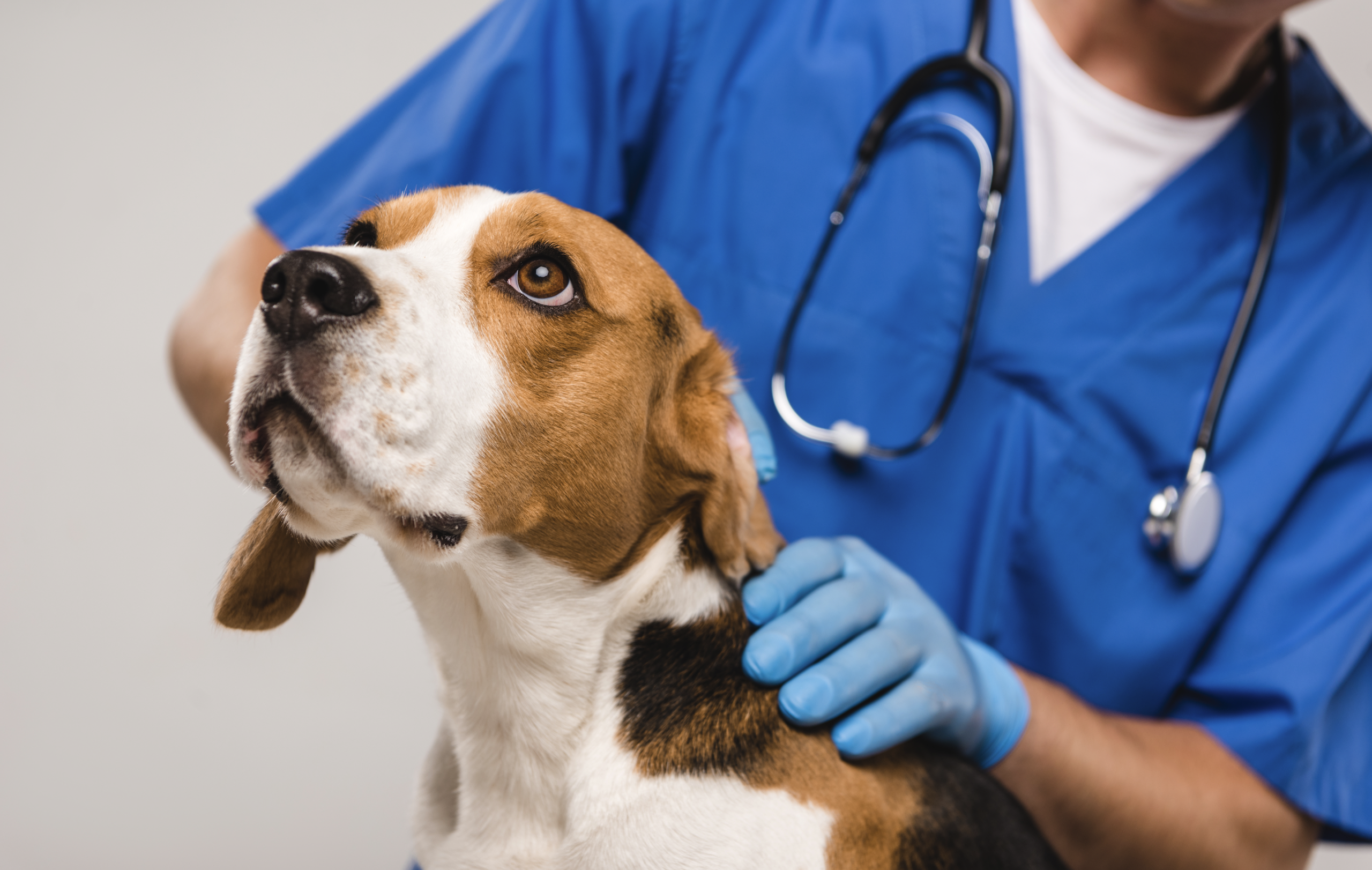
Researchers at the University of Cambridge are calling on veterinary surgeons across the UK to report suspected cases of a rare infectious cancer in dogs, following evidence that the disease is circulating in the country for the first time in half a century.
Canine transmissible venereal tumour (CTVT) is an unusual form of cancer that can spread directly between dogs through the transfer of living cancer cells, most commonly during mating.
Scientists from the University of Cambridge’s Transmissible Cancer Group have launched a pilot study offering free PCR-based diagnostic testing to help identify cases and improve understanding of how the disease is spreading.
A recent case report has confirmed active transmission of CTVT within the UK for the first time in approximately 50 years, raising concerns that the disease may be more widespread than previously recognised.
Could Imported Dogs Be Contributing to the Spread?
Researchers believe the increase in cases may be linked to dogs imported from countries where CTVT remains endemic, particularly parts of Eastern Europe.
Although CTVT is considered highly treatable, typically using vincristine chemotherapy, its rarity in the UK means many veterinary professionals may have limited experience recognising the disease.
Symptoms can include bloody discharge from the genital area and the development of nodular, fragile or easily bleeding masses around the genitals.
Researchers are particularly interested in hearing from veterinary surgeons who have encountered these symptoms in dogs with a history of travel from regions where CTVT is known to occur.
Free Diagnostic Testing Available
The Cambridge research team is offering free PCR-based testing to veterinary practices investigating suspected cases.
The preferred samples are frozen tumour biopsies, accompanied by a separate sample preserved in formalin, although other forms of material suitable for DNA extraction may also be accepted.
Dr Andrea Strakova, a postdoctoral scientist involved in the research, explained that veterinary participation would help scientists better understand CTVT transmission in the UK while supporting the development of faster and more reliable diagnostic pathways.
The team aims to provide definitive diagnostic results within a clinically useful timeframe.
What Should Dog Owners Know?
While CTVT is unusual because it is a contagious cancer, it is also generally highly responsive to treatment when diagnosed.
Dog owners who notice unexplained bleeding, discharge or unusual growths around their dog’s genital area should seek veterinary advice.
The researchers’ appeal is directed primarily at veterinary professionals, who can help identify suspected cases and contribute to ongoing surveillance of the disease.
Veterinary surgeons wishing to participate in the pilot study or submit samples can find further information on the University of Cambridge Transmissible Cancer Group website or contact the researchers at transmissible.cancer@gmail.com.
