


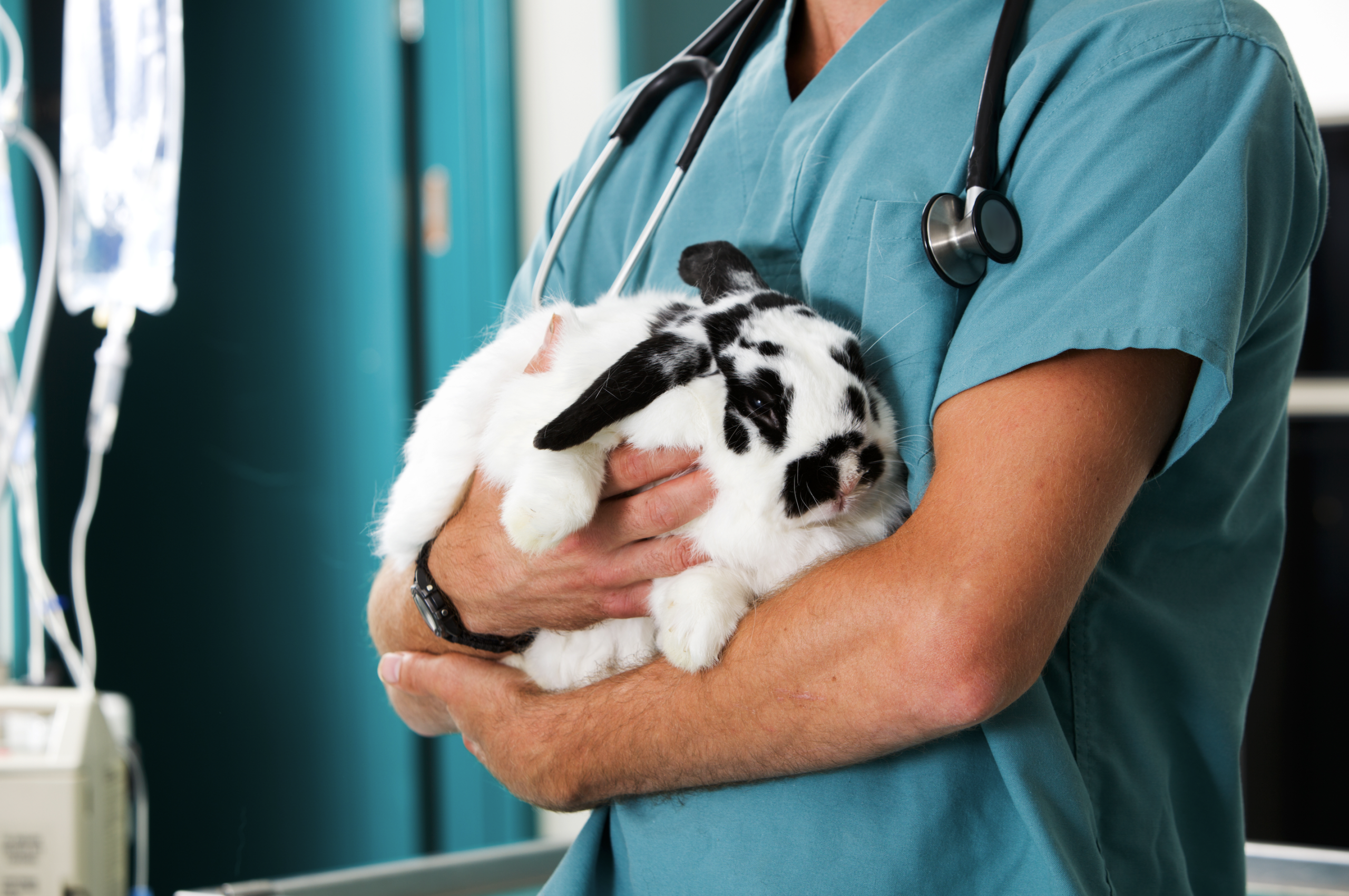
A new UK study suggests that many rabbit owners significantly over-estimate the risk of their pets dying under anaesthetic, a perception that may influence decisions about veterinary care and treatment.
The research, published in the Journal of Small Animal Practice, explored rabbit owners’ understanding of anaesthetic risk and how previous experiences, information sources and communication with veterinary professionals shape those views.
Surveying owner perceptions
Researchers conducted an online survey of UK rabbit owners, analysing 529 responses to assess knowledge, perceptions and attitudes towards anaesthesia in rabbits. The survey included questions on previous anaesthetic experiences, perceived risk levels, information-seeking behaviour and communication preferences.
The majority of respondents, 92 percent, had previously had a rabbit undergo anaesthesia for a medical or surgical procedure. Of those, just over a quarter reported experiencing some form of complication. Owners who had experienced complications were found to be twice as likely to refuse anaesthesia in the future compared with those who had not.
Perceived risk far higher than evidence suggests
One of the key findings was a widespread belief that rabbits face a much higher anaesthetic risk than other pets. More than 90 percent of respondents felt rabbits were more likely to die under anaesthetic than dogs or cats.
Only a small proportion of owners, just 6.5 percent, believed the risk of anaesthetic death in young, healthy rabbits to be between zero and one percent. Nearly half estimated the risk to be between five and 30 percent, far higher than figures reported in current veterinary literature.
Participants also consistently believed older or unwell rabbits faced a substantially greater risk than younger, healthy animals, estimating anaesthetic mortality to be around 20 to 30 percent higher in older rabbits.
Communication gaps identified
Almost a third of respondents felt that communication from the veterinary profession about anaesthetic risks could be improved. The authors suggest that unclear or inconsistent messaging may contribute to heightened anxiety and misconceptions among rabbit owners.
The study concludes that UK rabbit owners generally over-estimate the risk of anaesthetic death when compared with published mortality rates, and that this may lead to reluctance to proceed with necessary veterinary procedures.
Implications for rabbit welfare
The authors highlight an opportunity for veterinary professionals to provide clearer, evidence-based information and reassurance to rabbit owners prior to anaesthetic procedures. Improved communication, they suggest, could help support informed consent, reduce unnecessary fear, and ensure rabbits receive appropriate medical care when needed.
As rabbits continue to be one of the UK’s most popular pets, the findings underline the importance of accurate education around veterinary risks and the role of open dialogue between vets and owners in safeguarding rabbit welfare.
